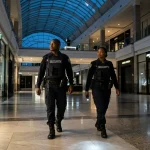
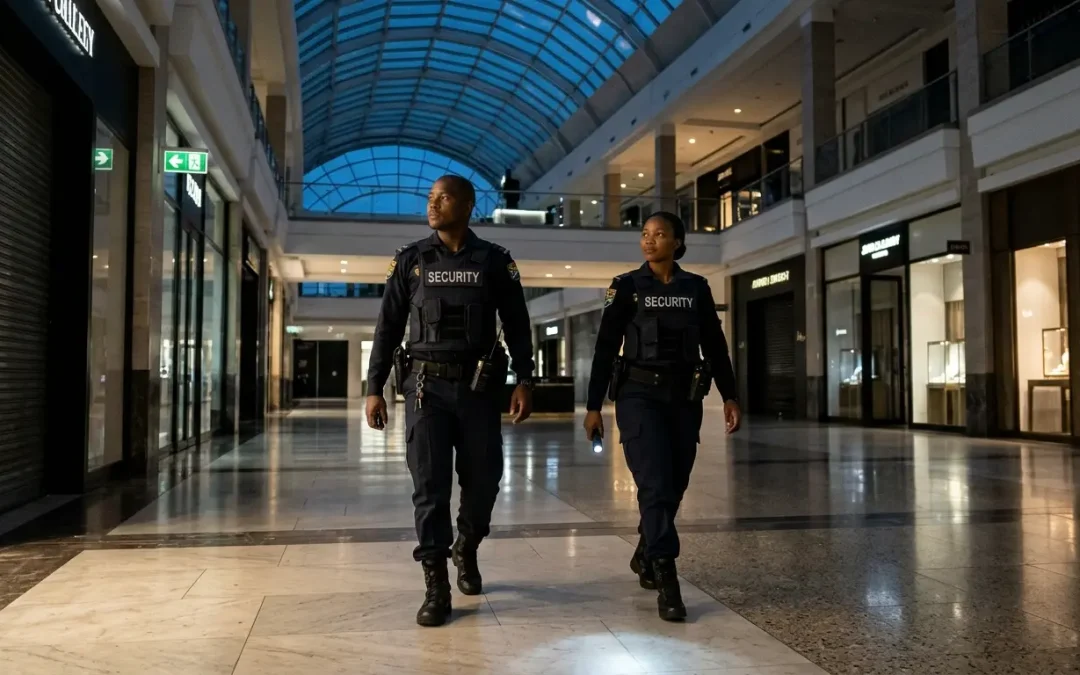
For a retailer, security protects margin, people and customer confidence every day. Shrinkage may arise through shoplifting, internal theft, process failures and unexplained stock movement. The threat also extends beyond the shop floor. During October to December 2025, the South African Police Service recorded 2,942 robberies at non-residential premises and 10,918 burglaries at non-residential premises nationally. These are broader commercial categories, not retail-only figures, but they show why stores, franchise groups and shopping centres need layered protection.
Start with a retail-specific camera plan
A good CCTV plan begins with customer flow. Identify entrances, exits, queues, high-value stock, service desks, cash offices, receiving bays and staff-only spaces. Each needs a camera position that answers a practical question.
At entrances, cameras should capture a useful face-level view without obstruction from signs, glare or crowds. On the shop floor, protect vulnerable displays and key aisles while avoiding fixtures that create blind spots. An overview camera can show context; a closer view helps check events at tills, returns and collection points.
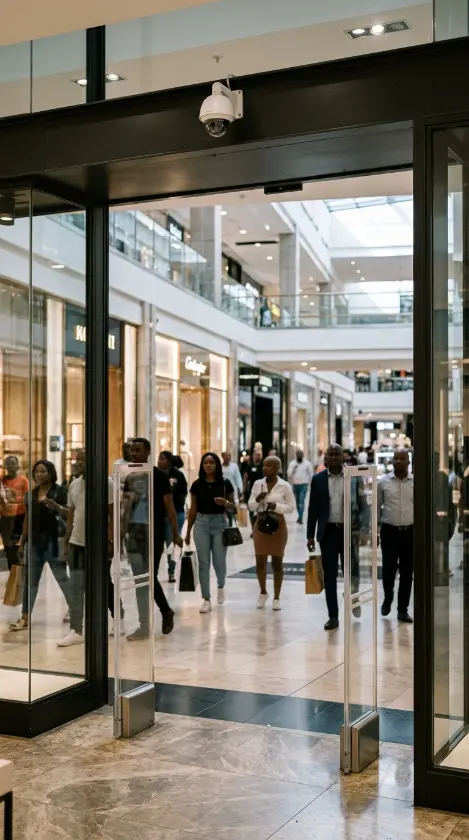
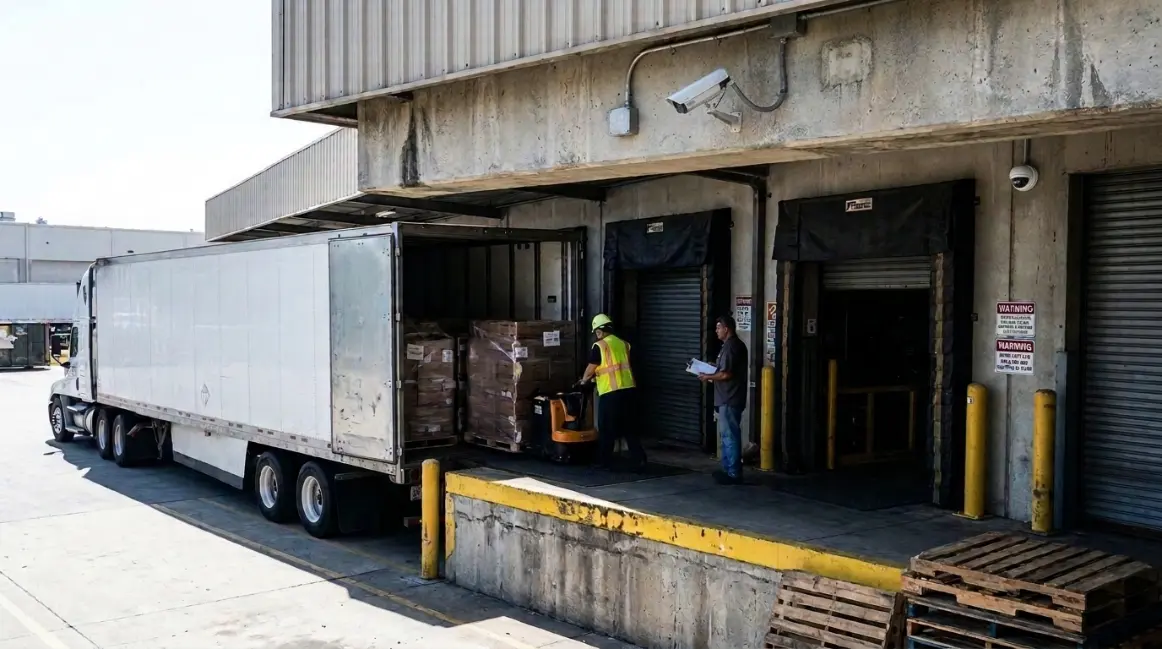
Coverage at receiving and dispatch areas is equally important. It creates an evidential record of deliveries, returns and stock transfers. In staff corridors, stockrooms and cash-handling areas, coverage should be clear, signposted and aligned with policy. TTK Surveillance provides CCTV solutions for retail stores and offers indoor, outdoor, PTZ, trip-wire and perimeter-detection options, as well as remote viewing of live and recorded footage. The mix should follow a site survey, lighting conditions and the risk at each location.
Before installation, test the design at a busy trading time and again after dark. Confirm that a reviewer can follow a person between the entrance, aisles, tills and exit without losing the trail. Review the plan whenever the layout changes. Camera coverage that worked for a launch display may become ineffective once a new fixture, queue barrier or festive display moves into place.
Extend protection to the car park
The boundary between a store and its car park is where customer and staff safety meet asset protection. Number plate recognition, also called NPR or ANPR, can improve the record of vehicles entering and leaving a controlled retail site. TTK’s number plate recognition systems capture plates and can query reads in real time against more than 30 databases through its Joint Information System application. When a match is found, its control room receives an automatically generated alarm for further action.
For a shopping centre, this can record entries and exits, manage authorised supplier or staff vehicles where appropriate, and preserve useful information after an incident. It is one layer, not a substitute for trained judgement, physical access controls or a lawful process. Cover boom gates, pedestrian approaches and loading zones, with lighting for legible plate capture.
Make monitoring proactive, not merely forensic
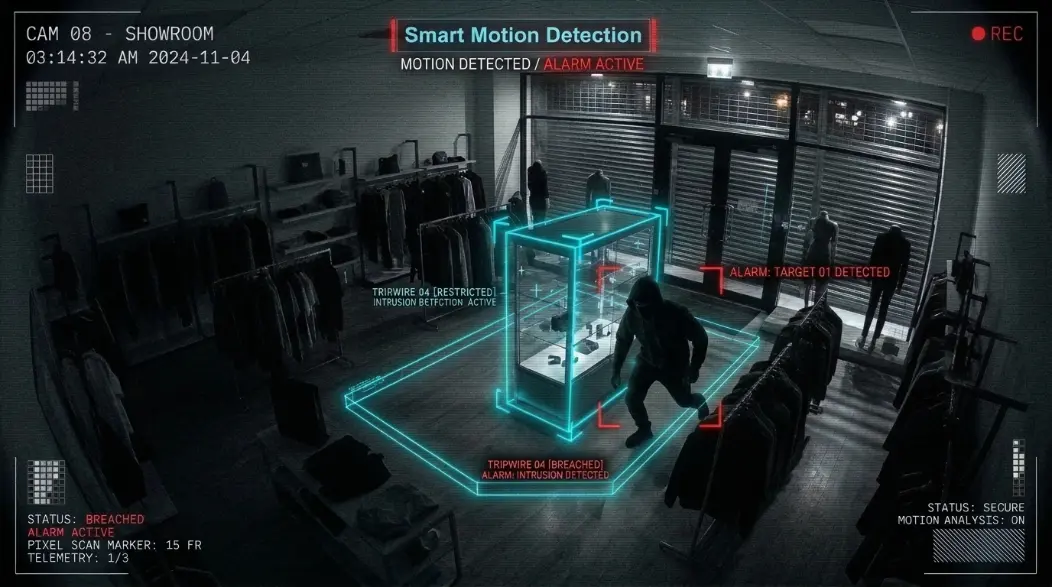
Recorded footage is essential, but it often tells the story too late. Intelligent monitoring aims to draw attention to events while they are happening. TTK describes off-site monitoring that processes alerts individually, escalates suspicious activity immediately and sends a detailed notification when an alert is escalated. Its technology also includes nuisance-alert rejection and object recognition, helping a control room focus on relevant alerts rather than routine movement.
For retail, alert rules should be measured and specific: movement in a stockroom after trading hours, access through a receiving door, loitering around high-value merchandise or crossing a defined line at a closed entrance. The aim is a useful signal when activity falls outside normal patterns, not an alarm for normal shopping.
Join security evidence to transaction evidence
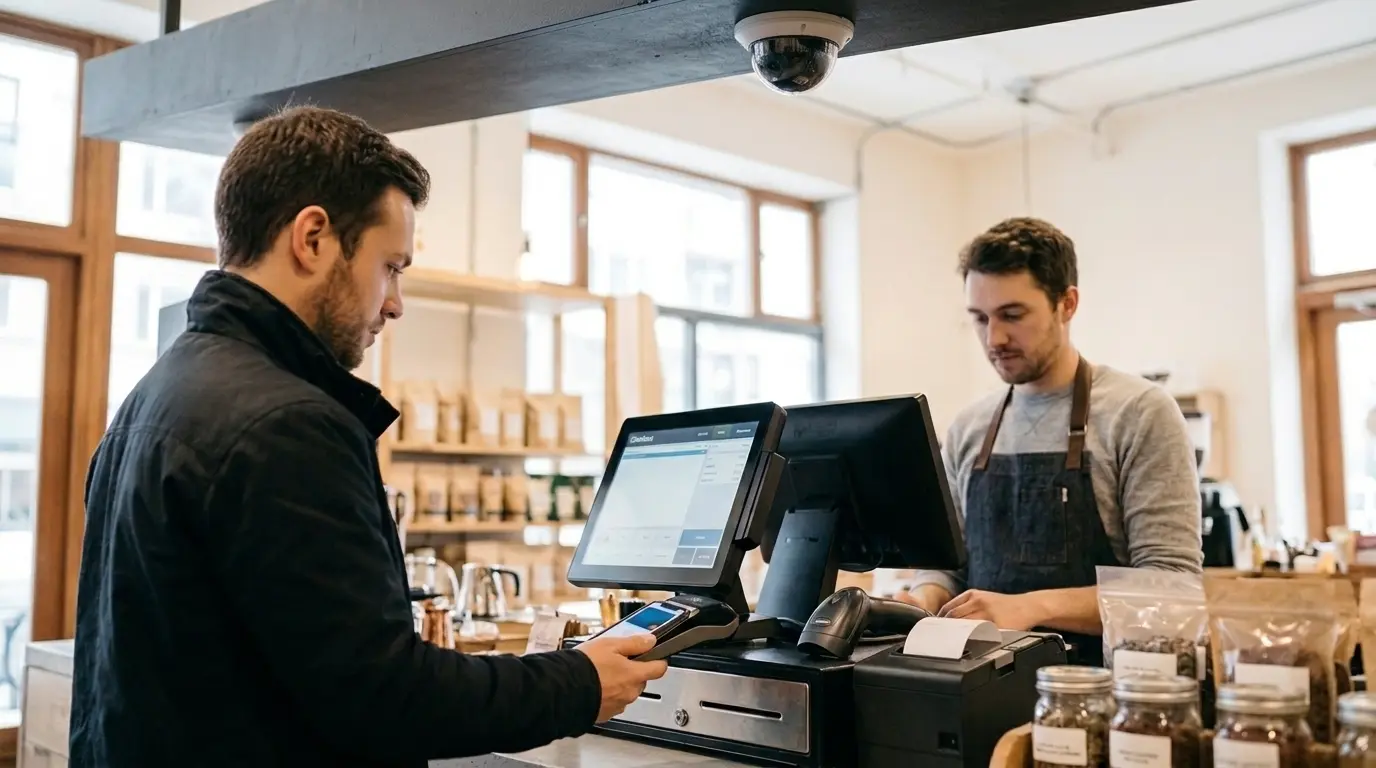
Point-of-sale integration deserves a place in loss prevention. Where CCTV and POS systems are compatible, linking transaction data to the relevant camera view can help authorised reviewers investigate a void, refund, price override, no-sale drawer opening or repeated discount. The goal is a faster, fairer exception review based on a complete record, not an assumption of wrongdoing.
Set thresholds and an approval process before reviewing exceptions. Separate training issues and system errors from matters requiring investigation. Restrict access, retain information for a defined period and involve HR or management under policy. Facts can replace rumour.
Customer behaviour analytics and heat mapping can show how customers move through a store, where queues form and which displays attract attention. Used responsibly, the insight can improve layout, staffing and merchandising while revealing unattended areas needing better sightlines. Aggregate information where possible and make privacy notices clear. Security should improve service, not make retail feel intrusive.
Give every incident a safe response
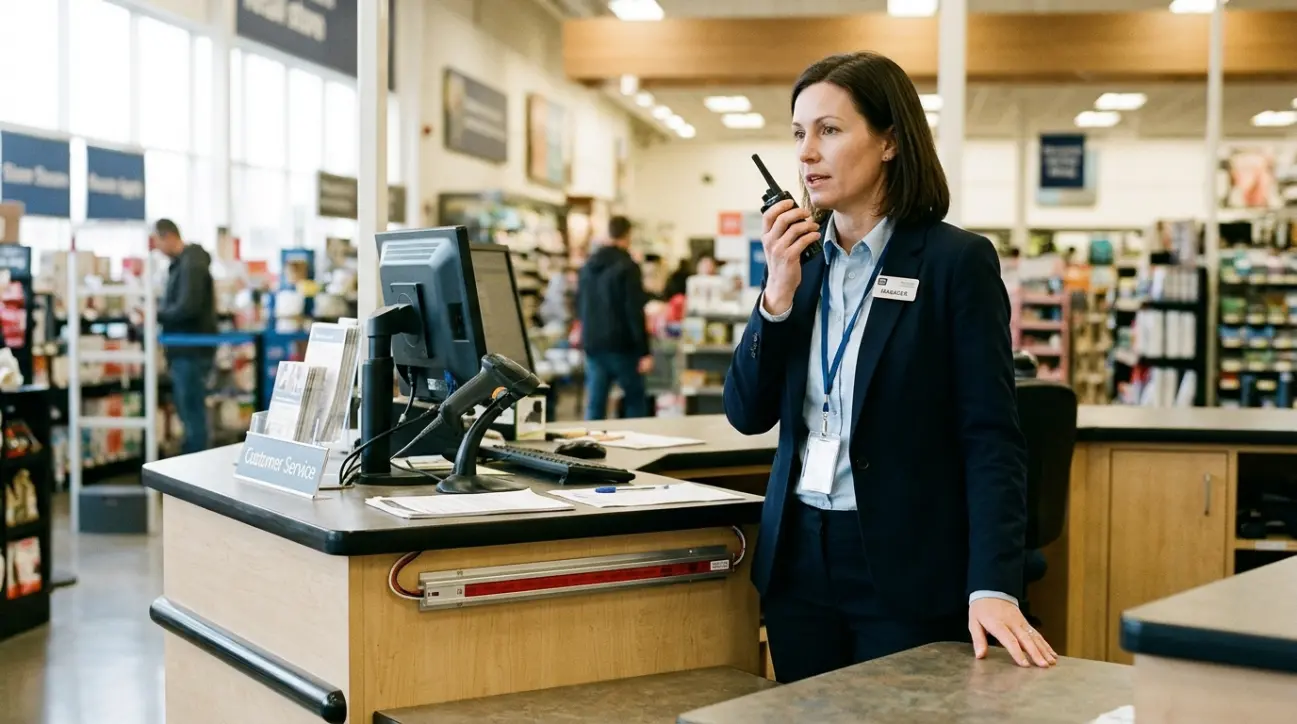
Technology works only when people know what to do next. Every site needs a concise response protocol for suspected theft, aggressive conduct and armed robbery. Staff must know who to contact, how to avoid confrontation and how to secure evidence after the immediate risk has passed. No stock is worth an injury.
For an armed robbery, staff should prioritise compliance and safety, observe only what they safely can, activate an alarm only if safe, then follow the escalation route. For suspected shoplifting, designated personnel should use a calm, policy-based approach and never improvise a risky confrontation. Managers should log the incident, preserve relevant records, and review layout, process or staffing.
TTK describes a 24-hour, locally based off-site monitoring team for Gauteng businesses and an alerting workflow designed for rapid escalation. Pairing that capability with a rehearsed site protocol helps ensure that an alert produces a proportionate human response.
Security that supports the brand
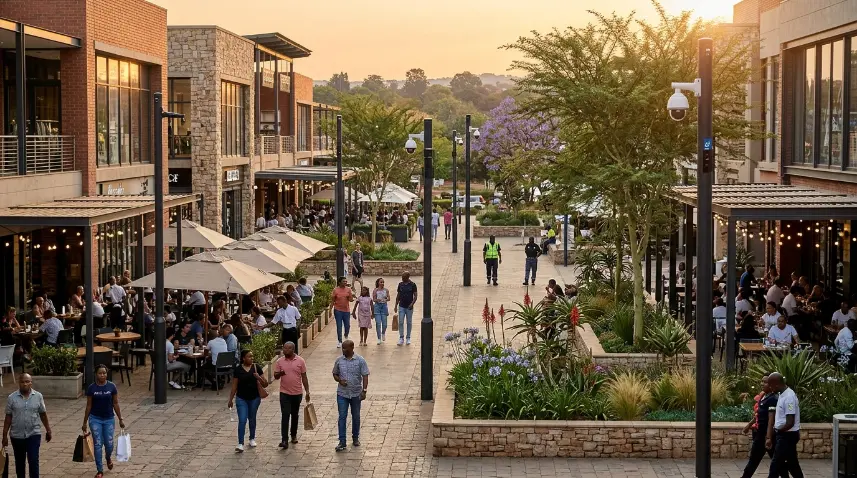
Strong retail security is visible in its consistency, not aggressiveness. Use good lighting, clear sightlines and managed access. Limit intrusive checks to situations justified by policy and risk. Train teams to be welcoming, observant and calm.
For owners, centre managers and franchise operators, the practical test is simple: can the system prevent avoidable loss, help people respond safely, provide reliable evidence and still allow customers to shop comfortably? A retail security design that meets all four objectives protects more than stock. It protects the customer experience and the bottom line.