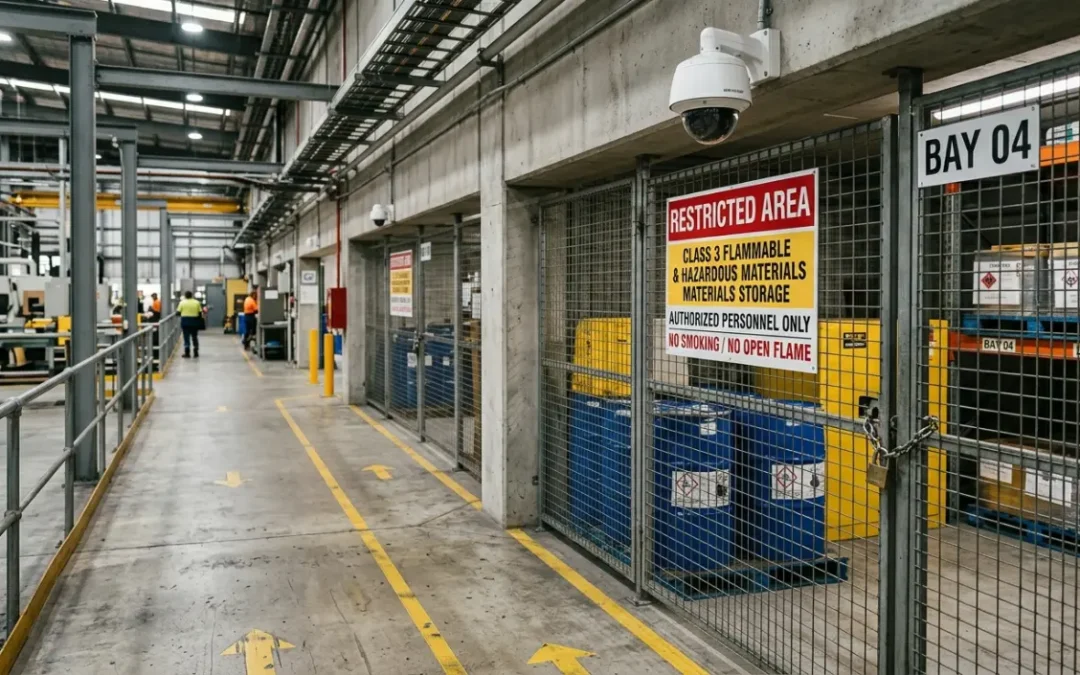
The Small Signs That Can Become Serious Security Incidents
Security incidents do not always begin with a forced entry, a broken lock or an obvious alarm activation. More often, they begin with a small change in behaviour, access or the environment. Someone lingers opposite the premises and watches the gates. A camera shifts slightly away from a critical entrance. A gate closes, but not fully. An employee moves through an unobserved area and returns with something concealed beneath their clothing.
Each moment may seem minor when viewed in isolation. Together, or when they occur at a vulnerable point on the site, they can reveal a risk that needs attention. The value of a well-designed security system is not limited to recording footage after an incident. It lies in helping a business notice the early signs, assess what is happening, and follow an agreed process to escalate a concern while there is still an opportunity to respond.
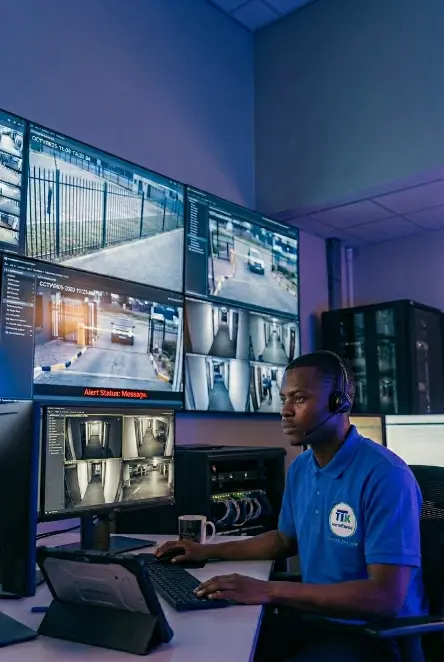
At TTK Surveillance, we believe that effective protection begins with visibility. That means placing the right cameras in the right areas, defining which activity should receive attention, and ensuring that the correct people can be notified when something does not look right.
When unusual movement becomes a warning sign
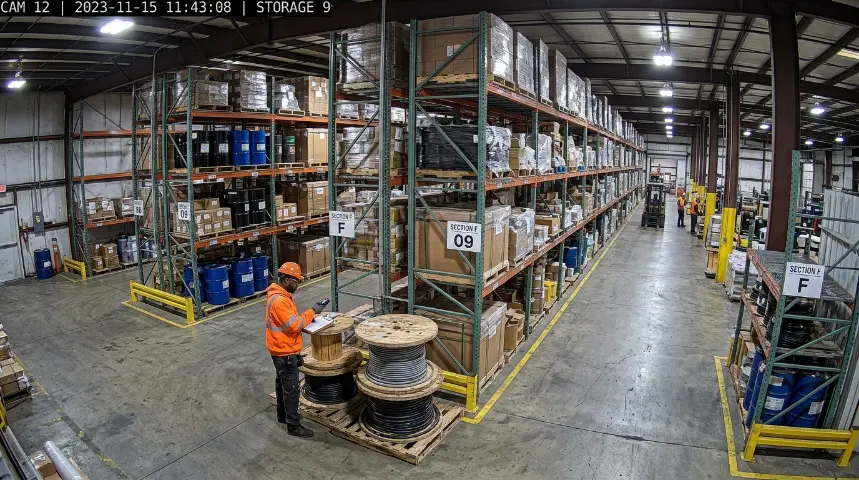
Consider a member of staff who looks around a room, walks into an area that is not visible, and returns a few minutes later. In this case, copper wire was apparently concealed around the person’s waist, partly hidden beneath their clothing. The important point is not simply that an item may have been removed. It is that the risk was created by a gap in visibility and by a sequence of unusual movements that deserved closer attention.
For high-risk internal spaces, camera coverage should take account of more than doors and corridors. Businesses should consider storage areas, material-handling zones, routes between workspaces and exits, as well as any location where valuable stock or copper can be removed from view. Clear coverage of these points can help provide visual information for management investigations and, where an agreed monitoring protocol is in place, can support the timely escalation of suspicious activity.
A security system is most useful when it helps distinguish ordinary movement from behaviour that warrants a closer look. A person entering a restricted space, remaining there for an unusual period, or leaving by a different route may not in itself prove wrongdoing. It can, however, provide the context needed for a monitoring operator or client contact to make an informed decision.
Reconnaissance often happens in plain sight
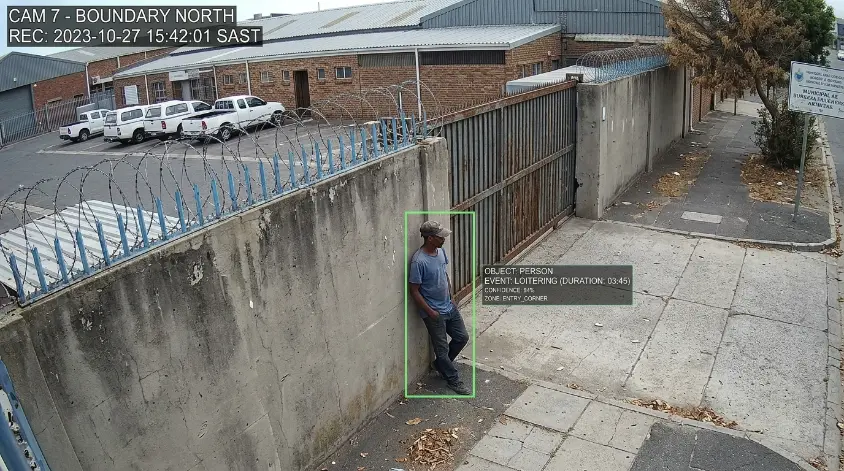
Not every threat begins inside the fence line. A person who repeatedly walks past a premises, pauses to look at gates and cameras, and studies the surrounding area may be gathering information. When that individual later appears with others near the site, the pattern becomes more significant.
This kind of activity is often dismissed because it appears non-confrontational. Yet observing a property, identifying access routes and noting camera positions can be a precursor to an attempted breach. External cameras and well-defined monitoring zones can help a business build a clearer picture of repeated activity around critical points, rather than relying on a single observation from a guard or employee.
TTK’s off-site CCTV monitoring service is designed around the assessment of individual alerts, with unusual or suspicious activity escalated under the agreed process. The service also describes person and object recognition capabilities that can provide useful context for activity on a property. 1 For a client, the objective is not to assume that every passer-by is a threat. It is to make sure that recurring, unusual behaviour near gates, fences and access points can be noticed, verified and reported when it warrants attention.
A camera is only effective when it is looking in the right direction
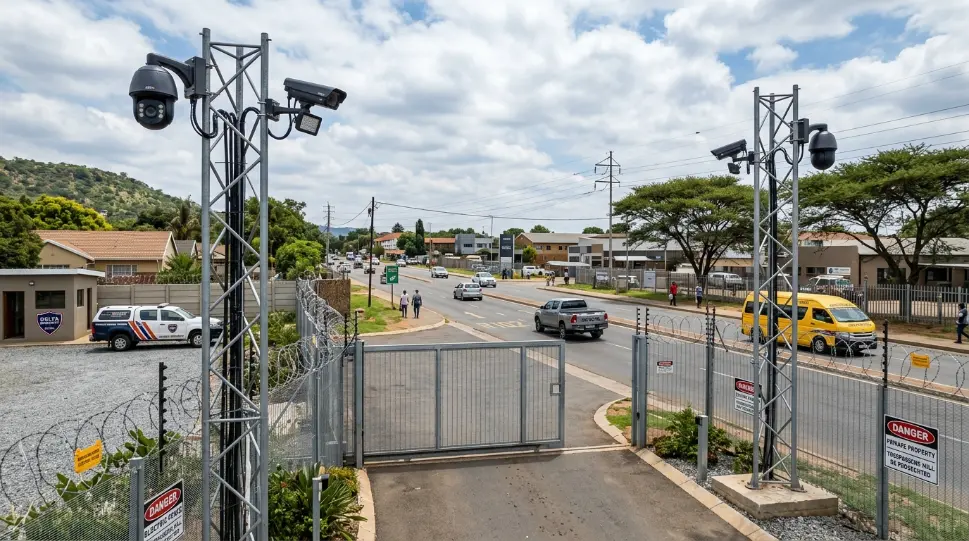
A camera does not need to be switched off to create a vulnerability. It can be moved gradually, by a small amount at a time, until the critical access point it was intended to cover is no longer properly visible. Over several weeks, a seemingly insignificant adjustment can create the blind spot that someone needs.
For this reason, security coverage should be treated as a living part of the site’s protection plan. Camera views should be reviewed regularly against an agreed reference position. Images should be clear enough to show the relevant approach route, entrance, gate or storage area. Where a camera view has been obstructed, changed or moved, the issue should be identified promptly and corrected.
A practical review should also consider the environment around each camera. New stock, stacked pallets, signage, parked vehicles, overgrown vegetation and structural changes can all affect what the camera can see. TTK can help clients assess camera coverage and monitoring requirements so that critical zones remain visible as the site changes.
Access points need more than one line of defence
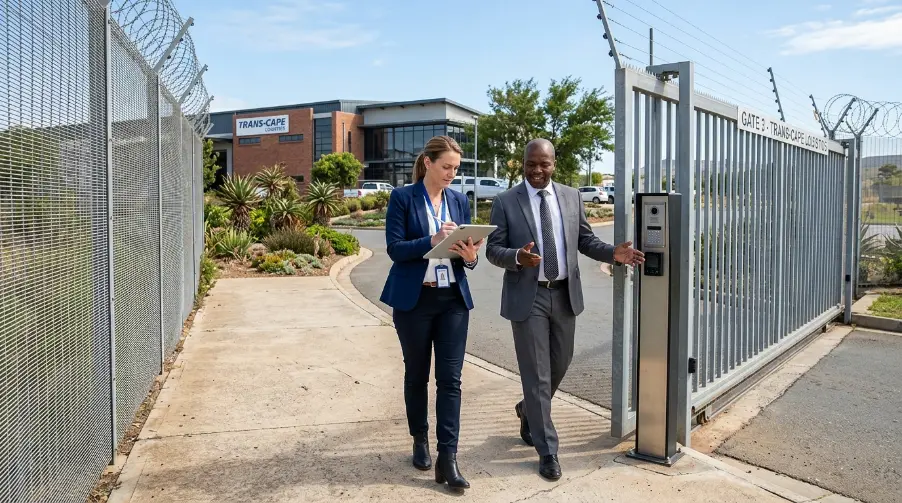
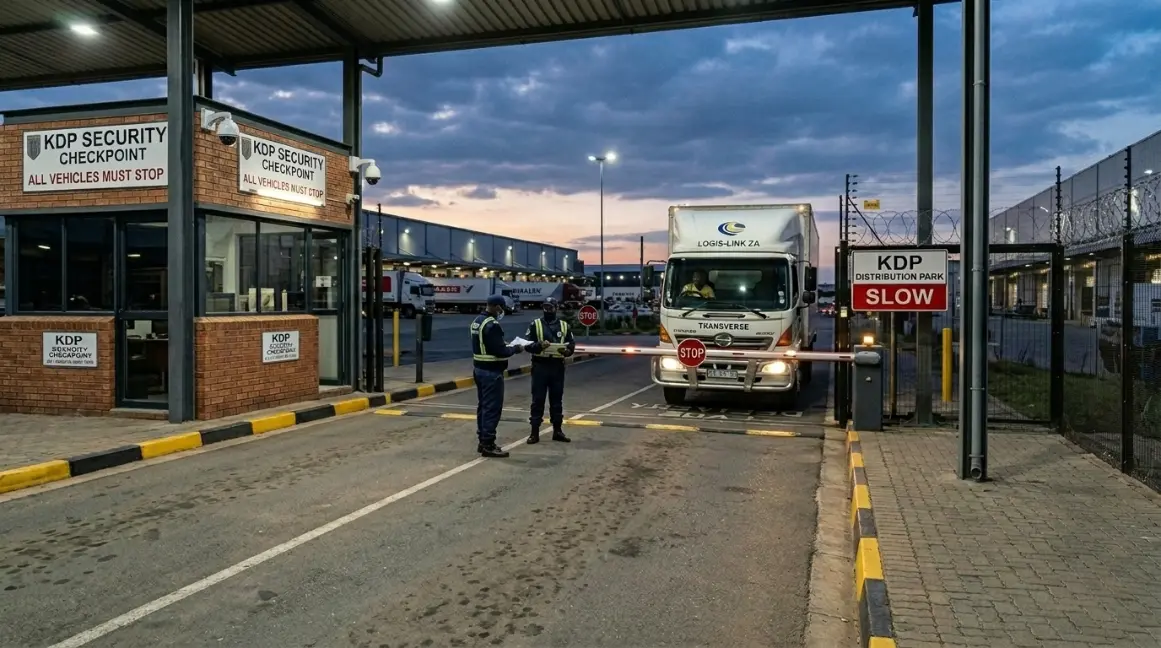
A gate that remains partly open after a vehicle or employee leaves can expose a site for far longer than expected. In one scenario, a gate did not close completely and remained open for approximately thirty minutes. In another, one person engaged a guard in conversation while a second individual attempted to enter unnoticed.
Both situations demonstrate why access control should not rely on a single action or a single person’s attention. Gates, pedestrian entrances and vehicle access points should be supported by clear processes that verify who is entering, confirm that access points have secured correctly, and ensure that an exception reaches the right person without delay.
TTK offers remote access-control solutions for vehicle and pedestrian entry, with verification through a control room according to the client’s agreed requirements. The company also states that attempted unauthorised entry can be alerted to a nominated security company or appointed representative. 2 Used alongside well-positioned cameras and perimeter protection, this creates a stronger layer of oversight at the point where many breaches begin.
The aim is not to remove people from the security process. It is to ensure that a guard, receptionist or employee is not the only person able to notice an access issue. Independent visual verification and a documented escalation process can help provide valuable support when an entrance is busy, when staff are distracted, or when activity occurs after normal operating hours.
An alarm activation can be a test, not a false alarm
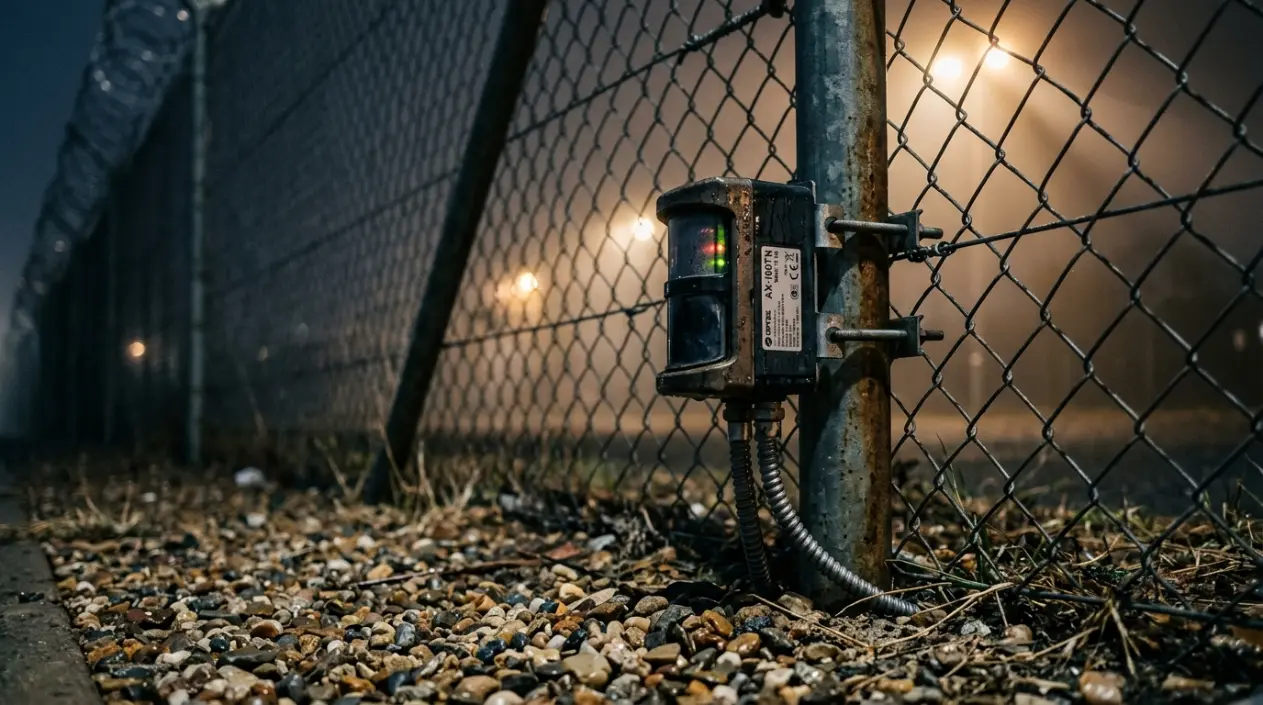
A person who throws a small stone at a perimeter sensor and then walks away may be testing more than the alarm. They may be assessing whether the sensor activates, how quickly someone reacts, whether a guard investigates, and whether the site appears to return to normal afterwards.
Every alarm should therefore be considered in context. A brief activation followed by a person moving away from the perimeter may require a different response from an obvious nuisance trigger. Off-site monitoring can assist by allowing an alert to be assessed with visual information before it is escalated. TTK describes DeepAlert software as helping to reduce nuisance alerts caused by animals, shadows and environmental factors, while supporting the recognition of people and objects.
The benefit to the client is a more informed response. Instead of treating an alert as a simple technical event, the monitoring process can help identify whether there is visible activity at the perimeter, whether the area needs to be checked, and whether the situation should be reported to the designated security team or client contact.
The perimeter can reveal opportunities before they are used
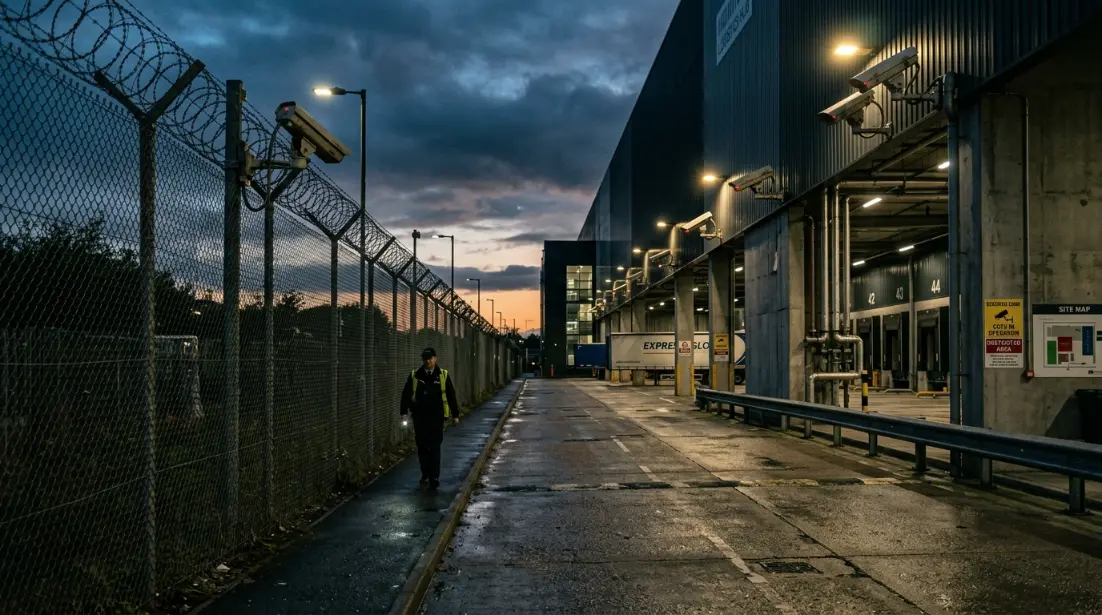
A discarded box, a piece of material or another unfamiliar object beside a fence may look insignificant. However, it could be used as a climbing aid, a place to conceal equipment, or a marker for a later attempt to gain access. Similarly, a person entering an area with equipment, pallets or crates may be able to hide in a location that is difficult for a routine patrol to see.
These examples show why security planning must look beyond the obvious entrance. Perimeter areas should be kept clear, and camera coverage should take account of places where someone could wait, hide or prepare to cross the boundary. Storage yards, dispatch areas, loading zones and external spaces beside fencing all deserve specific attention during a site review.
With the right camera placement, alert zones and monitoring process, changes in these areas can be brought to attention. The goal is not to claim that technology alone will prevent every incident. It is to help the business recognise an emerging vulnerability before it is used against the site.

Security monitoring can also support a welfare response
Not every unusual event is a security threat. A member of staff who suddenly stops normal activity, appears confused, or remains motionless in an area where work continues around them may need a welfare check. In such a situation, visual monitoring can provide important context to the nominated site contact or response team.
This should be handled with care. CCTV monitoring is not a medical diagnosis tool, and a camera image should never replace appropriate medical assistance. It can, however, support a timely human check when something appears to be wrong, particularly in large sites, after-hours operations or locations where a colleague may not be immediately visible.
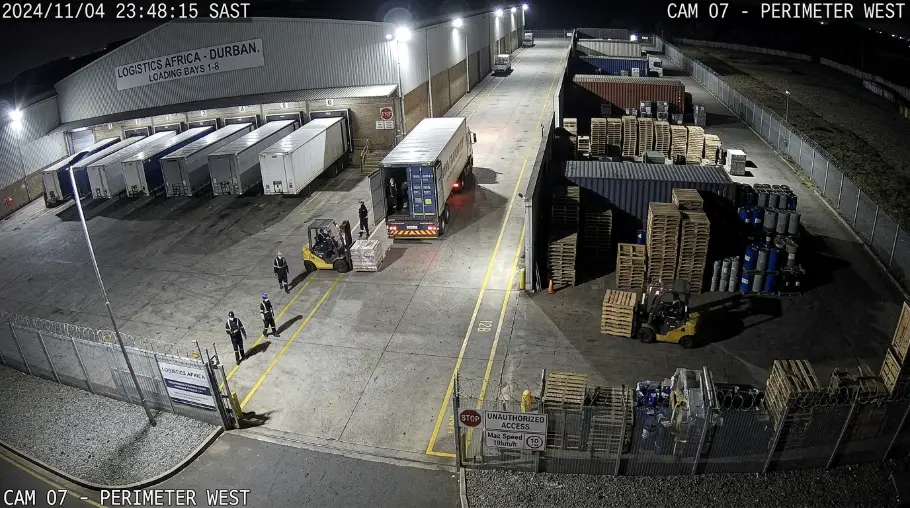
From footage to a meaningful security response
The purpose of surveillance is not simply to create a library of recordings. It is to help turn visual information into a useful security response. This begins with an assessment of the site and its risks. Which entrances are critical? Where are the blind spots? What equipment, stock or infrastructure requires extra protection? Which people should receive an alert, and what should happen next?
TTK Surveillance provides off-site CCTV monitoring and access-control solutions that can be tailored to the particular risks of a home or business. The company’s published services include immediate escalation of unusual or suspicious activity and detailed alert notifications to clients, subject to the chosen service and escalation arrangement. 1 The most effective outcome comes from agreeing the right coverage, defining the areas that matter most, and keeping the process under review.
Small signs should not be ignored. A gate that does not close, a change in a camera view, unfamiliar activity at the perimeter or a person in an unexpected place may be the first indication that a site needs attention. When a system is designed to notice, verify and escalate these signs, it gives businesses a stronger opportunity to respond before a minor vulnerability becomes a serious incident.
Arrange a security review with TTK Surveillance
Would your current cameras, access points and perimeter controls identify the warning signs at your site?
TTK Surveillance can help you review critical camera coverage, access routes, gate procedures, perimeter zones, blind or concealment-prone areas, and the escalation process for suspicious activity. A focused security review can identify practical improvements that strengthen visibility and support a more confident response.