When an incident occurs, the question is often straightforward. Was a delivery received? Which vehicle was involved? Where was an item last seen? The difficult part has traditionally been finding the relevant footage among hours or days of CCTV recordings. Moving through a timeline, camera by camera, can delay a response to a customer query, security incident, delivery dispute or site-safety investigation.
Dahua WizSeek is designed to help compatible CCTV systems search recorded video in a more practical way. TTK Surveillance is introducing a survey-led service to assess, specify, install and support WizSeek-enabled Dahua solutions for organisations that need to find relevant footage faster.
What is Dahua WizSeek?
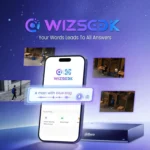
WizSeek is a video-retrieval capability built on Dahua’s Xinghan multimodal AI technology. A multimodal model is an artificial intelligence system that relates different kinds of information, including text, images and video. In practical terms, WizSeek is designed to help an authorised user search compatible recorded footage by describing what they are looking for in ordinary language.
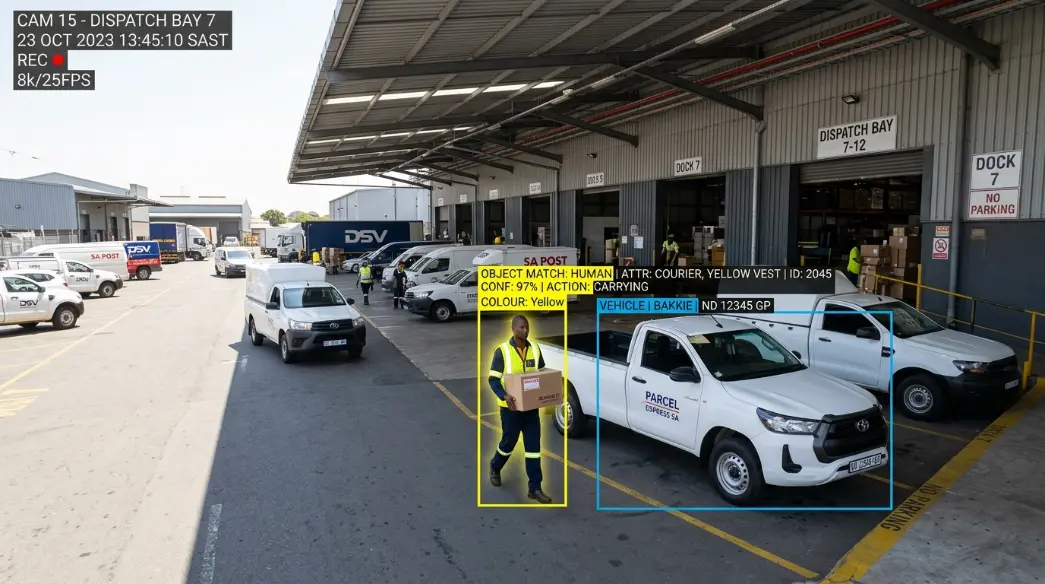
Instead of relying only on a rigid list of attributes, an operator can enter a description that reflects the event being investigated. Dahua gives the example of searching for a man in yellow clothes who is making a telephone call beside a car. The technology is intended to retrieve matching video from the recording archive, helping the user begin their review from likely results rather than from an entire timeline.
WizSeek is not a guarantee that every search will find every event. It is a tool intended to help identify relevant footage more quickly. Results depend on the selected equipment, camera view, lighting, image quality, recording retention, firmware and the detail available in the scene.
Can CCTV footage be searched with everyday words?
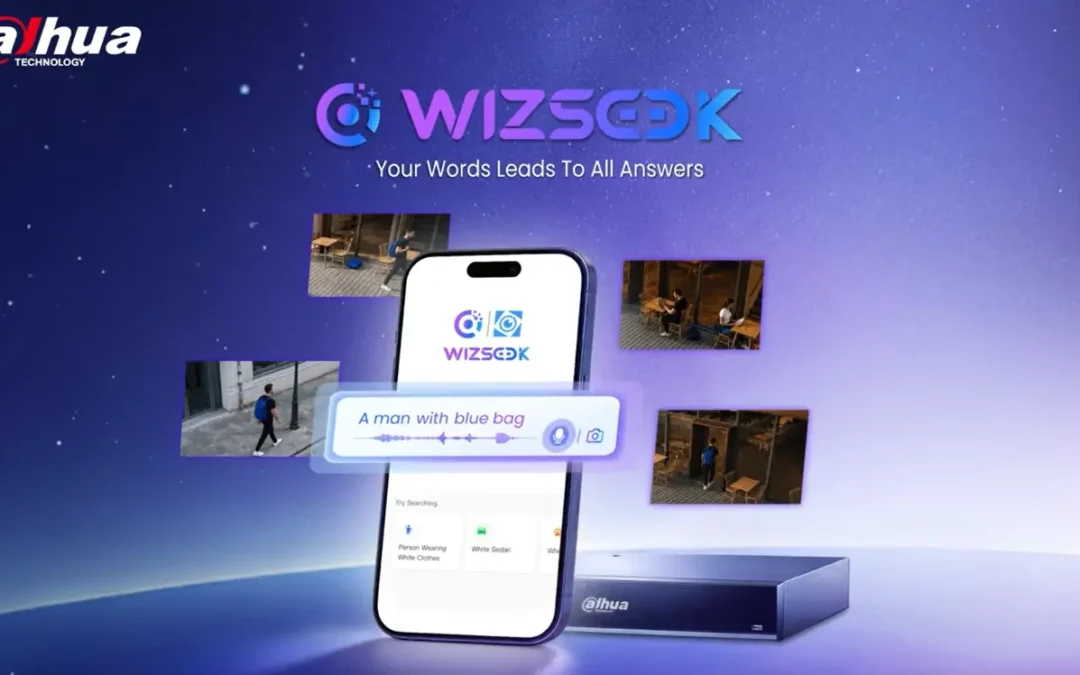
That is the central idea behind WizSeek. Dahua’s official demonstration shows search examples including “people with glasses”, “Yellow Toyota taxi”, “sheep” and “helmet”. Another example searches for “A person holding a DHL package” and shows a delivery person being retrieved from recorded footage. The demonstration also shows a voice search for “A man with a blue bag”.
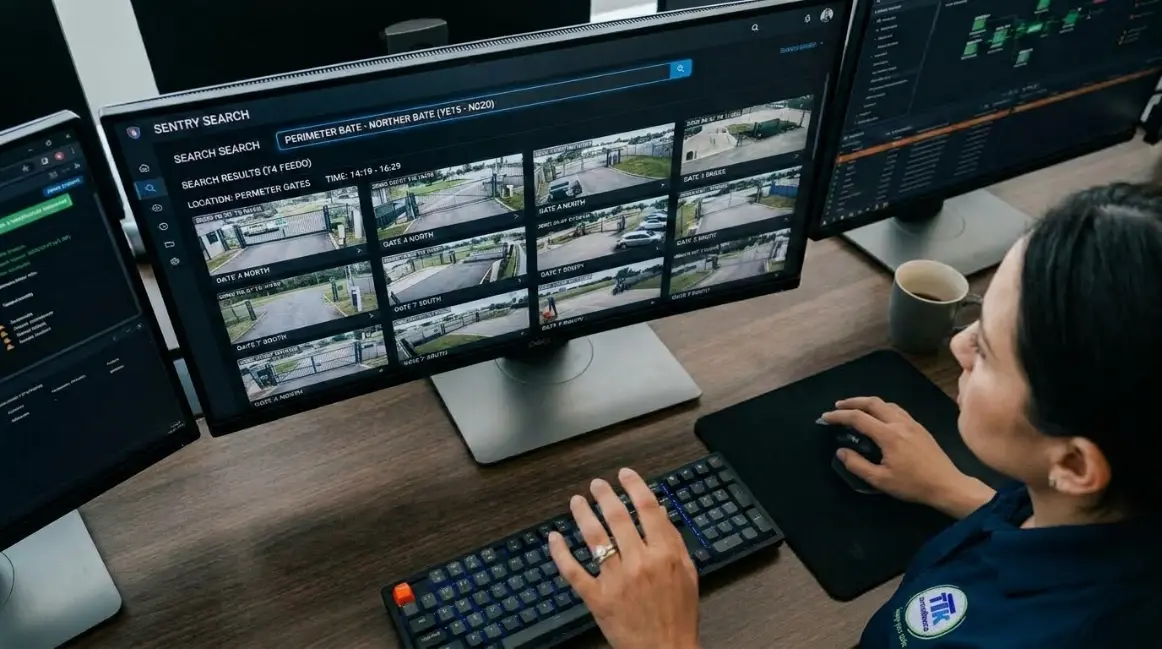
These examples show how the technology can support common enquiries. A retailer may need to investigate a report of lost property. A warehouse may need to review a delivery query. A residential estate may need to find footage relating to a particular vehicle. A security team may need to locate an event involving a person, animal or object. Dahua states that its model supports searches across more than 400 categories, including people, vehicles, animals, signs and plants.
The benefit is not only speed. A relevant phrase gives operators a consistent starting point, so that they can review returned clips and document the outcome. This supports a more structured response when a genuine operational or security need arises.
How can WizSeek be accessed?
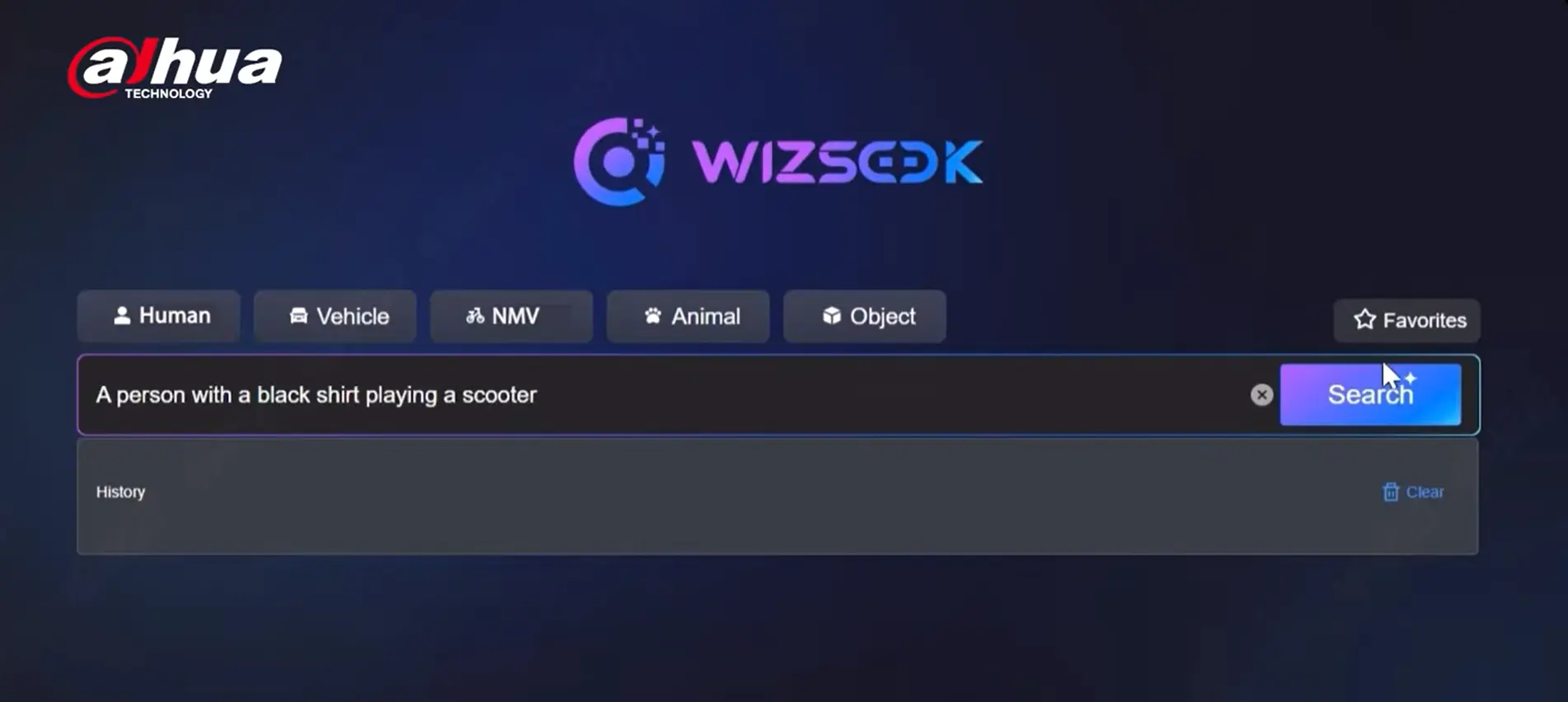
A relevant search interface may be available through the Dahua recorder itself, including web and local graphical user interface access. Dahua also positions WizSeek across web, DSS and its DMSS application. In its current product literature, Dahua states that DMSS supports text, voice and image-based searches in more than 30 languages.
Remote access does not mean unrestricted access. Organisations should define who needs mobile or web access, what they may search for and how access is protected. User accounts, strong authentication, permissions and documented procedures are important.
Is WizSeek suitable for every CCTV system?
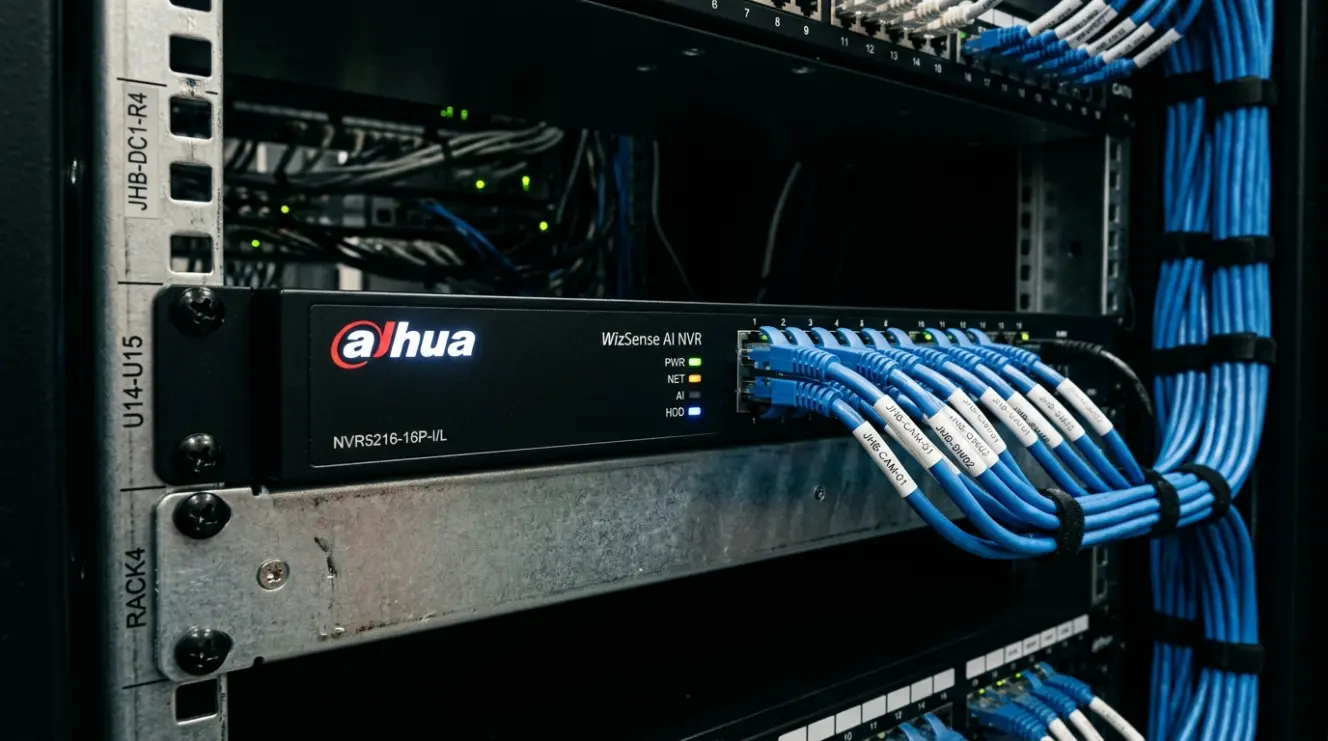
No. WizSeek is not a feature that can be assumed to work across every recorder and every camera estate. Dahua’s current range identifies NVR5-EI2 as an option for certain deployments with AI cameras. It also identifies NVR5-XI/Pro, IVSS51/71-I and IVD5-I platforms as potential professional solutions for suitable AI, non-AI and third-party camera environments.
The final recommendation must be based on the actual site. TTK Surveillance will assess the existing cameras, recording platform, network, retention requirements and operational priorities. We will consider footage quality, channel count, platform capacity, user access and the available upgrade path. For new systems, this enables cameras, recording hardware, storage and workflows to be designed as one solution. For existing sites, it identifies whether a compatible recorder, an upgrade or a specialist server approach is most practical.
What does the TTK Surveillance service include?
TTK Surveillance begins with a site and requirements assessment. We will discuss the incidents or operational enquiries that lead to footage reviews, inspect the available infrastructure and identify a suitable compatible Dahua solution.
Once the solution is agreed, TTK can install or upgrade the necessary equipment, configure access and test representative searches. We will provide practical handover for authorised users, covering a repeatable workflow for describing a target, reviewing returned footage and retaining relevant evidence. Ongoing support can cover the installed system, user queries and future expansion planning.
How does POPIA apply to intelligent CCTV search in South Africa?
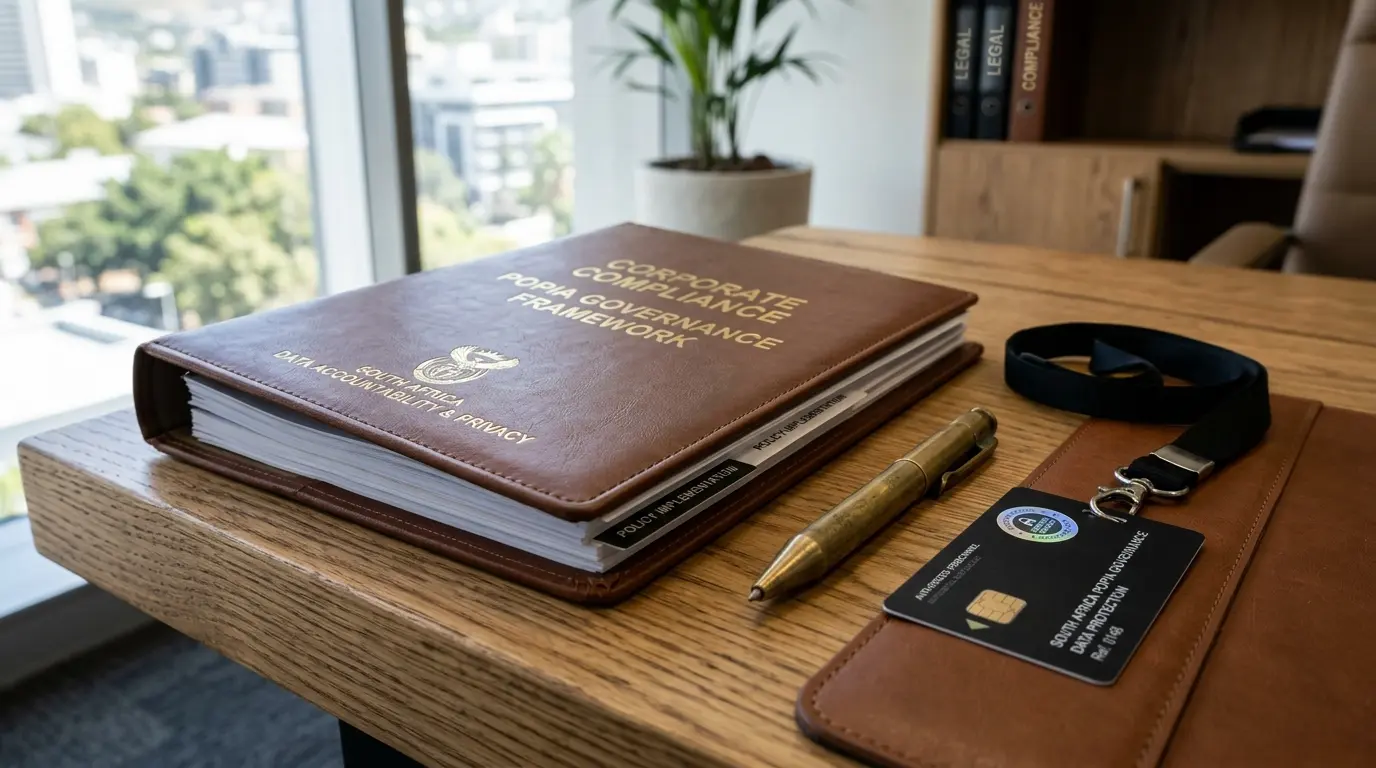
CCTV footage that relates to identifiable people can constitute personal information under South Africa’s Protection of Personal Information Act, 2013, known as POPIA. The organisation that determines why and how its CCTV system is used will generally be the responsible party. POPIA sets conditions for lawful processing, including accountability, processing limitation, purpose specification, security safeguards and data-subject participation.
A WizSeek-enabled system should be used for a clear and legitimate purpose. The responsible party should restrict access to authorised personnel, retain recordings only as long as justified, protect footage against unauthorised access and communicate appropriate information to people affected by surveillance. Intelligent search should support a documented CCTV process, not unfocused exploration of recordings.
The Information Regulator states that public and private bodies that process personal information must register their Information Officer. Its guidance describes responsibilities that include encouraging compliance, maintaining a compliance framework, conducting a personal-information impact assessment, managing information-access processes and raising staff awareness. TTK Surveillance can assist with practical technical controls, but each customer should obtain its own POPIA and legal advice for its particular circumstances.
Start with the questions that matter
The value of WizSeek lies in helping a team move from a question to the most relevant footage more efficiently. It can help a security or operations team search for a person, vehicle, animal or object using a natural description, then focus its review on the results that matter.
If your organisation regularly spends time searching through CCTV recordings, contact TTK Surveillance to arrange a Dahua WizSeek assessment. We will review your current system, understand the questions you need it to answer and explain the most suitable route for a secure, compatible and responsibly operated solution.