Security cameras can provide valuable evidence, but effective monitoring is about more than recording what happened. It is about recognising a potential threat, checking the situation and taking appropriate action while an incident is unfolding.
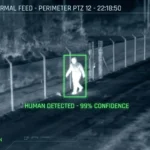
Artificial intelligence, or AI, supports this process by analysing video and highlighting activity that matches configured detection rules. However, two services can both use AI while giving their operators very different roles.
Black screen monitoring centres on AI-generated alerts. AI-assisted live monitoring combines those alerts with ongoing human observation. Understanding the difference helps you choose protection that suits your property’s risks and daily activity.
What is black screen monitoring?
In a black screen monitoring arrangement, operators do not routinely watch a constant display of all live camera feeds. Instead, the monitoring interface remains blank or focused on incoming events until the AI identifies activity requiring review. This event-driven approach brings relevant footage to an operator’s attention.
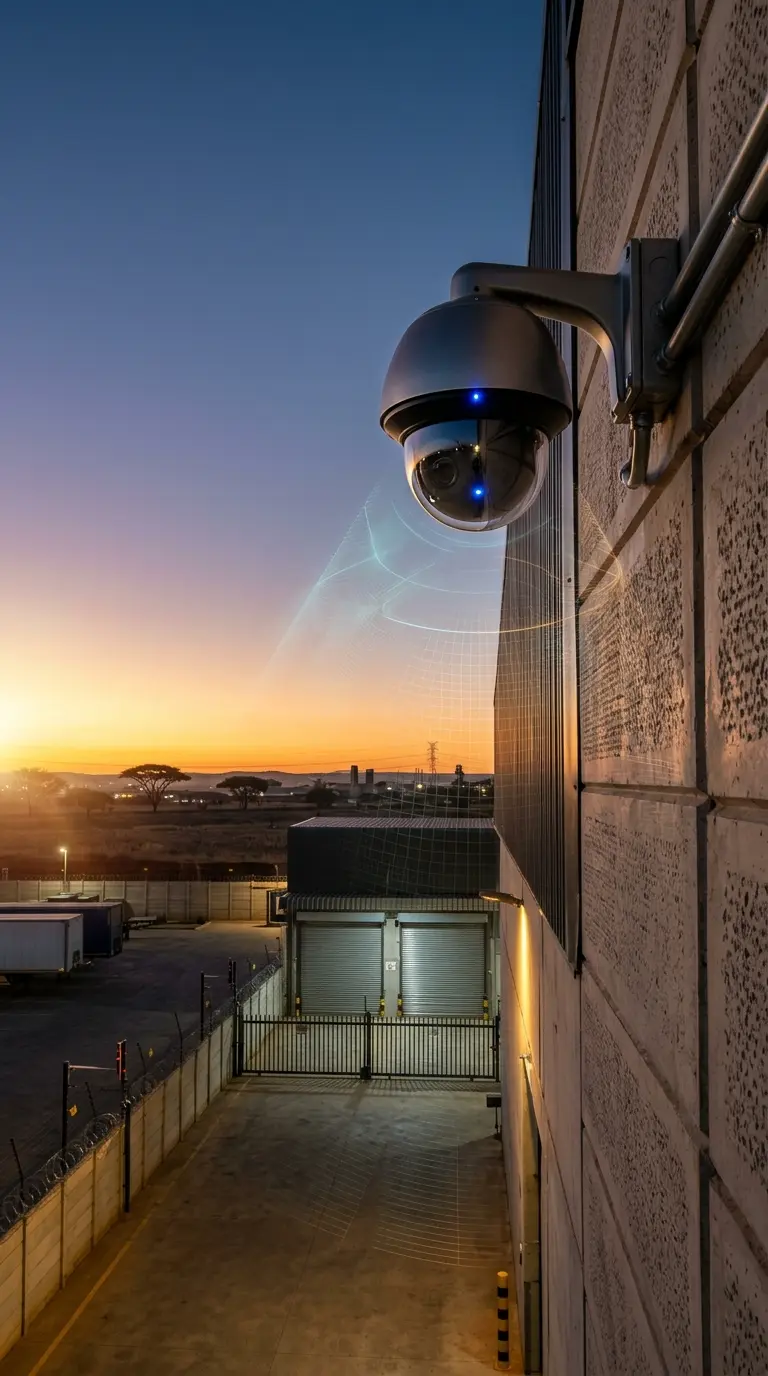
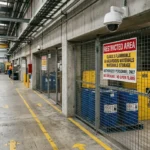
For example, a system configured to detect entry into a restricted yard after hours may generate an alert when someone enters that area. The footage appears on the operator’s screen, allowing them to investigate, assess the circumstances and follow the agreed escalation procedure.
The term “black screen” describes what the operator sees between events. It does not mean the cameras are switched off. AI continues analysing the connected feeds, while recording and footage retention depend on the system’s configuration.
This approach helps operators focus on flagged activity rather than spending long periods watching uneventful scenes. However, an alert is not proof of a crime. Authorised movement or other activity can still require human verification.
What is AI-assisted live monitoring?
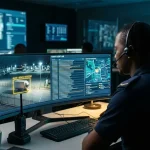
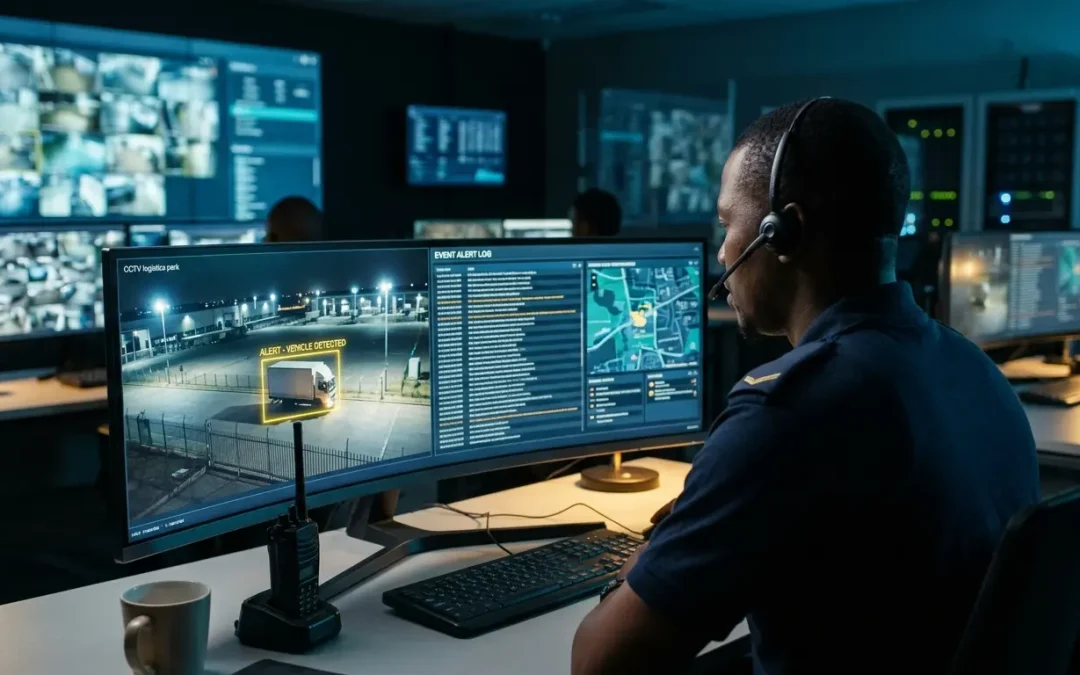
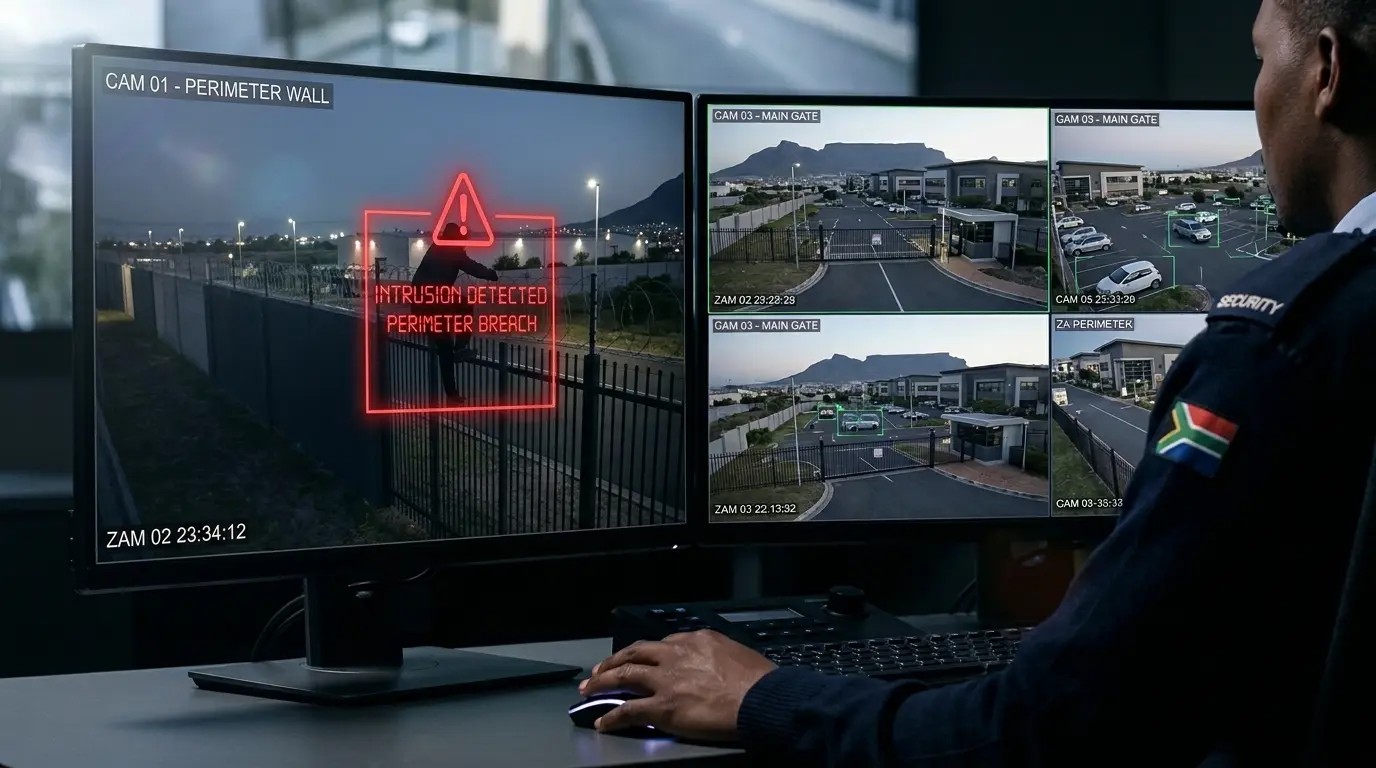
With AI-assisted live monitoring, operators view live camera feeds on an ongoing basis while AI analyses the footage alongside them. When the software highlights an event, the operator investigates it, but their observation is not limited to those alerts.
This is the combined approach TTK Surveillance uses: continuous live viewing alongside AI-supported detection. Technology draws attention to configured events, while operators remain involved in observing activity and interpreting what they see.
An operator may notice someone repeatedly approaching a gate, unusual movement around a loading area or behaviour that appears inconsistent with normal site operations. Depending on the camera coverage and detection settings, that activity may not immediately produce an AI alert.
Continuous live monitoring does not mean one person can watch every camera every second without distraction. Effective delivery requires appropriate staffing, manageable camera allocations, clear priorities and procedures for reviewing alerts while maintaining site awareness.
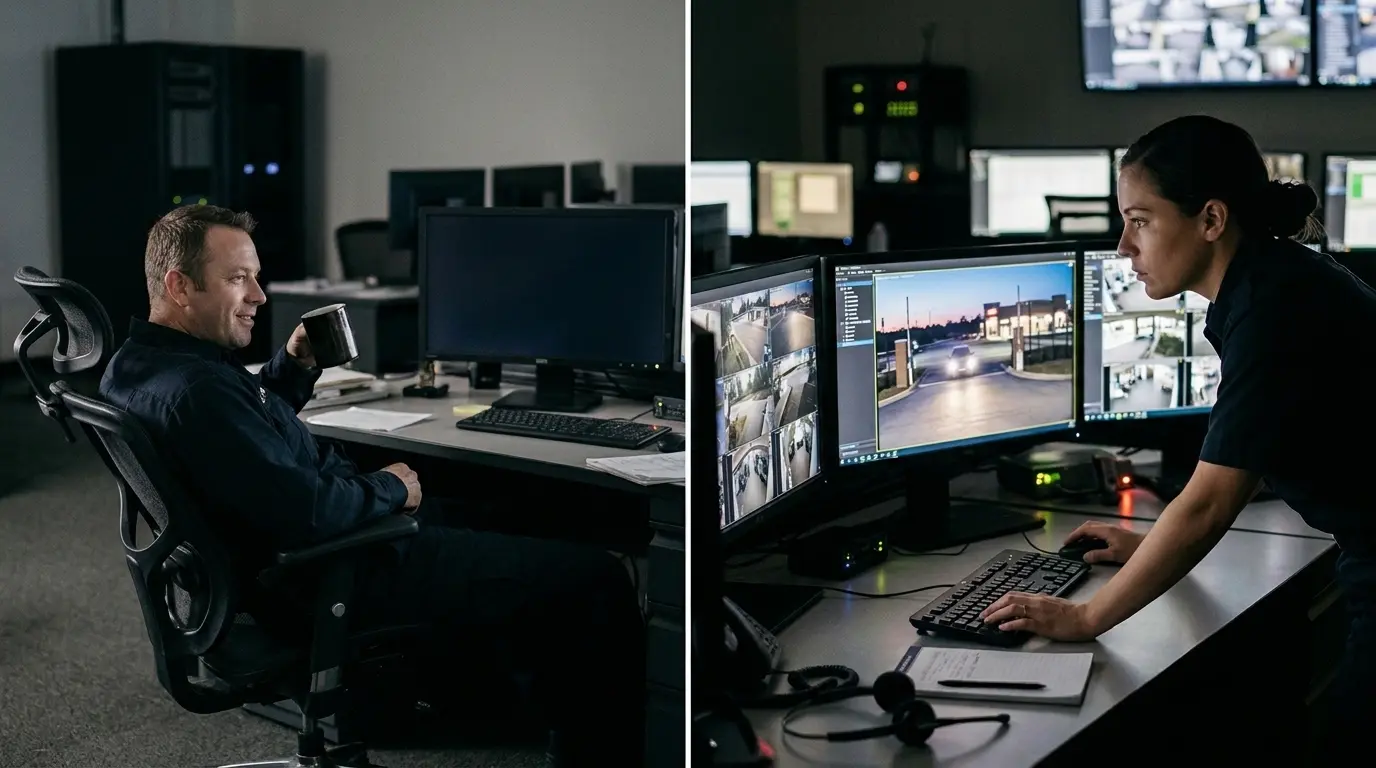
The key difference: alert-led attention or ongoing observation
Both approaches use AI to analyse video. Both rely on people to verify concerns and decide what happens next. The distinction is when human attention is applied.
In black screen monitoring, AI detection generally initiates the operator’s review. In AI-assisted live monitoring, human observation takes place alongside detection, providing another opportunity to recognise developing situations.
Imagine a person entering a closed warehouse yard. If this triggers a configured rule, either approach can bring the event to an operator for investigation. Now consider someone lingering near an entrance without crossing a monitored boundary. A live operator may recognise a concerning pattern before a configured alert is generated.
This is an illustration, not a guarantee. AI capabilities vary, and suitable detection rules could also flag lingering. The practical value comes from how well the service matches the site, rather than the label alone.
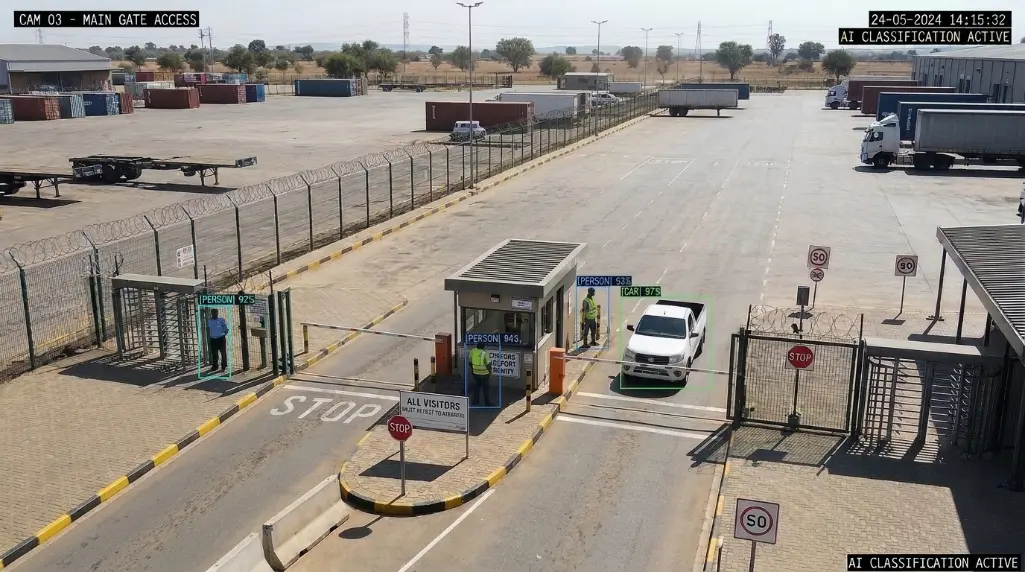
Where each approach can add value
Black screen monitoring can be useful where there are clearly defined detection zones, predictable activity and well-established response rules. Its event-focused workflow can reduce the burden of watching routine footage, helping operators concentrate on exceptions.
The limitation is that operator attention depends heavily on what the analytics detect and how alerts are configured. Poorly positioned cameras, unsuitable thresholds or changing site conditions can undermine that workflow.
AI-assisted live monitoring adds human observation between alerts. This can be valuable at busy entrances, shared access points and sites where understanding context matters. An operator can consider whether activity fits the location, time and usual operating pattern.
However, live viewing also creates demands on attention. Too many feeds or simultaneous incidents can affect performance. AI support, sensible workloads and supervision are therefore essential, not optional extras. Neither approach should promise that nothing will ever be missed.
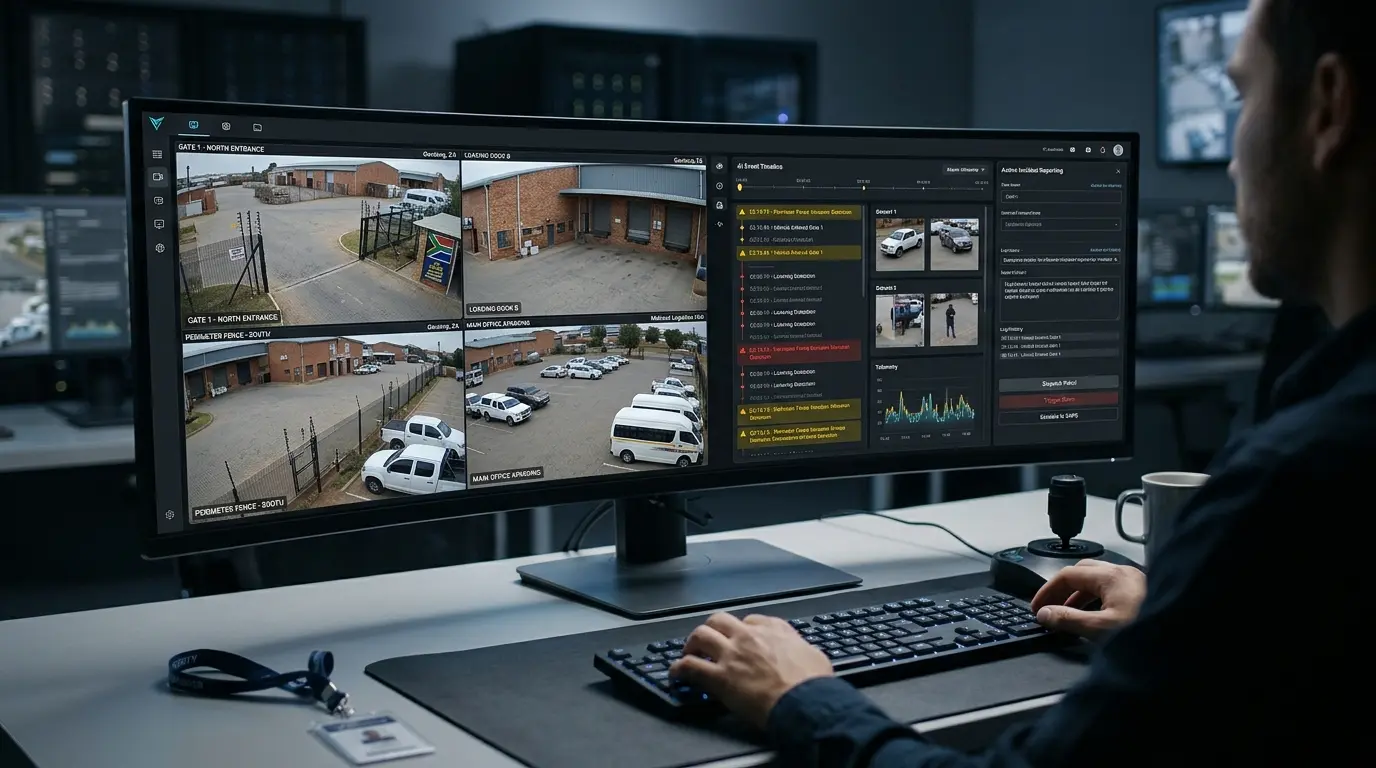
How Watcher supports the monitoring process
TTK Surveillance currently uses Watcher software to support its monitoring operations. Watcher’s published offering includes a Video Management System, real-time AI analytics and an Alert Manager, together with software services for organisations managing their own or their customers’ camera feeds. [2]
These capabilities support bringing footage and alerts into a managed workflow. Watcher also describes human verification, incident management and reporting within its surveillance solutions. The precise functions available depend on the deployment and configuration. [2]
Software capabilities should not be confused with a provider’s operating model. TTK’s combined live-and-AI workflow describes how its team works with the technology, rather than suggesting every Watcher installation is monitored in the same way.
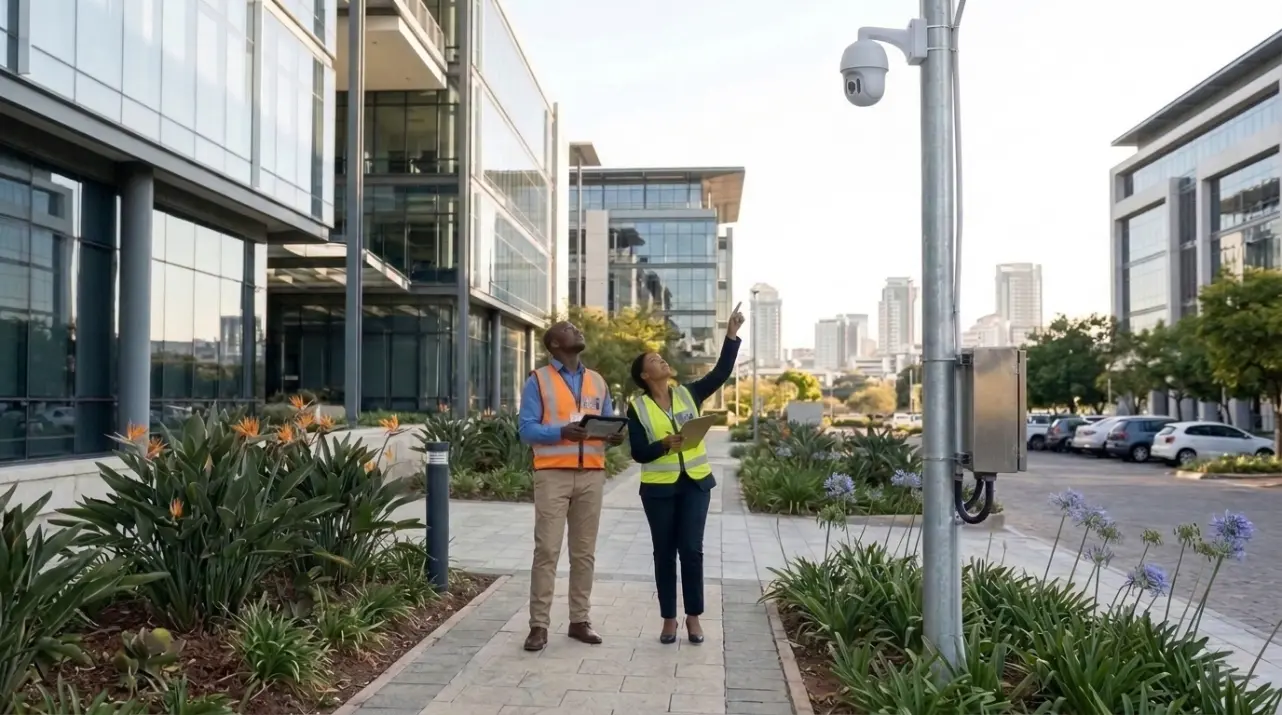
Choosing monitoring that delivers meaningful protection
Before selecting a service, ask how operators view your cameras, what triggers an alert and how genuine concerns are escalated. Confirm monitoring hours, response responsibilities, camera-health checks and what happens during connectivity or power failures.
An effective response plan should identify who receives verified alerts, who can authorise further action and how incidents are recorded. Operators also need current contact details and clear handover procedures so that a concern is not lost between teams.
Also consider privacy. Access to footage should be controlled, viewing should serve a legitimate security purpose and retention should follow appropriate policies.
The right solution combines suitable camera coverage, configured analytics and trained people with a practical response plan. At TTK Surveillance, ongoing live observation works alongside AI alerts to support informed investigation and site awareness.
To discuss an approach suited to your property, contact TTK Surveillance on +27 65 731 6347 or visit our contact page.