In South Africa, every security decision matters. For the governing bodies, trustees, and management teams of former Model C and private schools, this statement has never been more accurate. Educational institutions are no longer just places of learning; they are complex, high-value environments that must balance an open, welcoming atmosphere with robust, uncompromising protection. When a security system fails on a school campus, the consequences extend far-reaching.
A security breach compromises the safety of learners, shatters parental confidence, disrupts academic schedules, and inflicts lasting reputational damage on institutions that pride themselves on excellence.
For South African schools, the security landscape has shifted dramatically. Campuses across Johannesburg, Pretoria, Cape Town, and Durban represent highly attractive targets for sophisticated criminal syndicates.
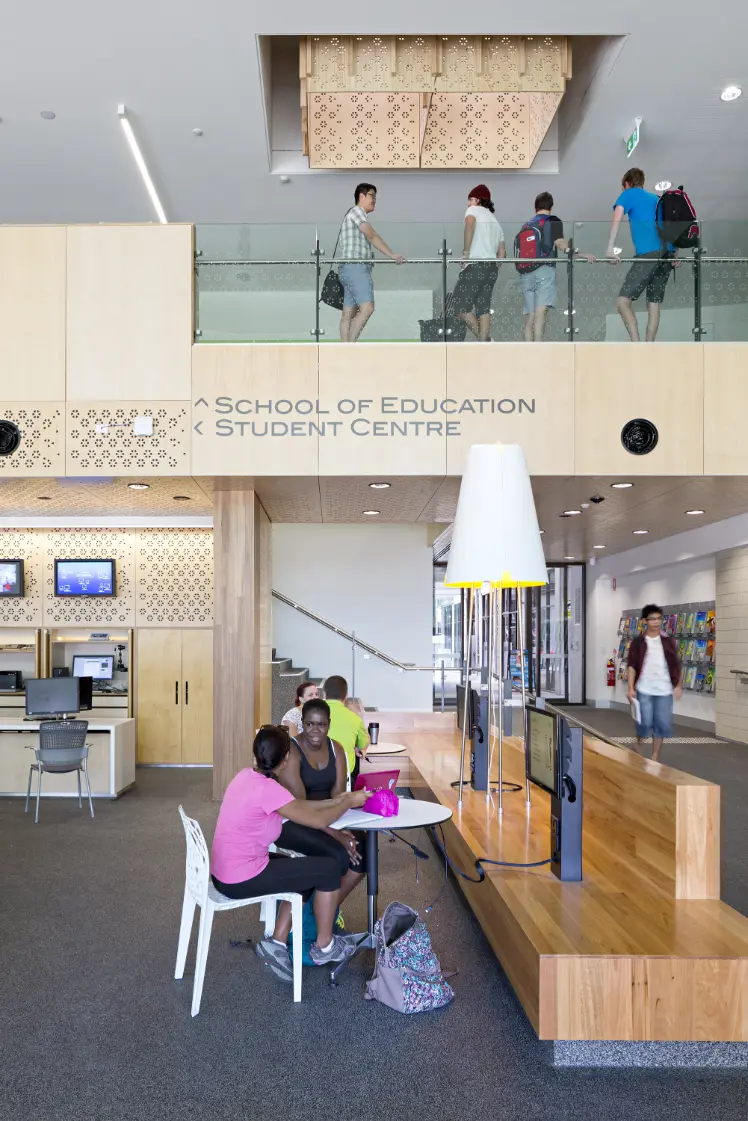
Model C and private schools house premium assets: high-end computer laboratories, servers, tablets, smartboards, and sports equipment. Furthermore, the steady flow of parents, staff, and visitors creates a lucrative environment for opportunistic crimes, vehicle thefts, and even targeted hijackings near school gates.
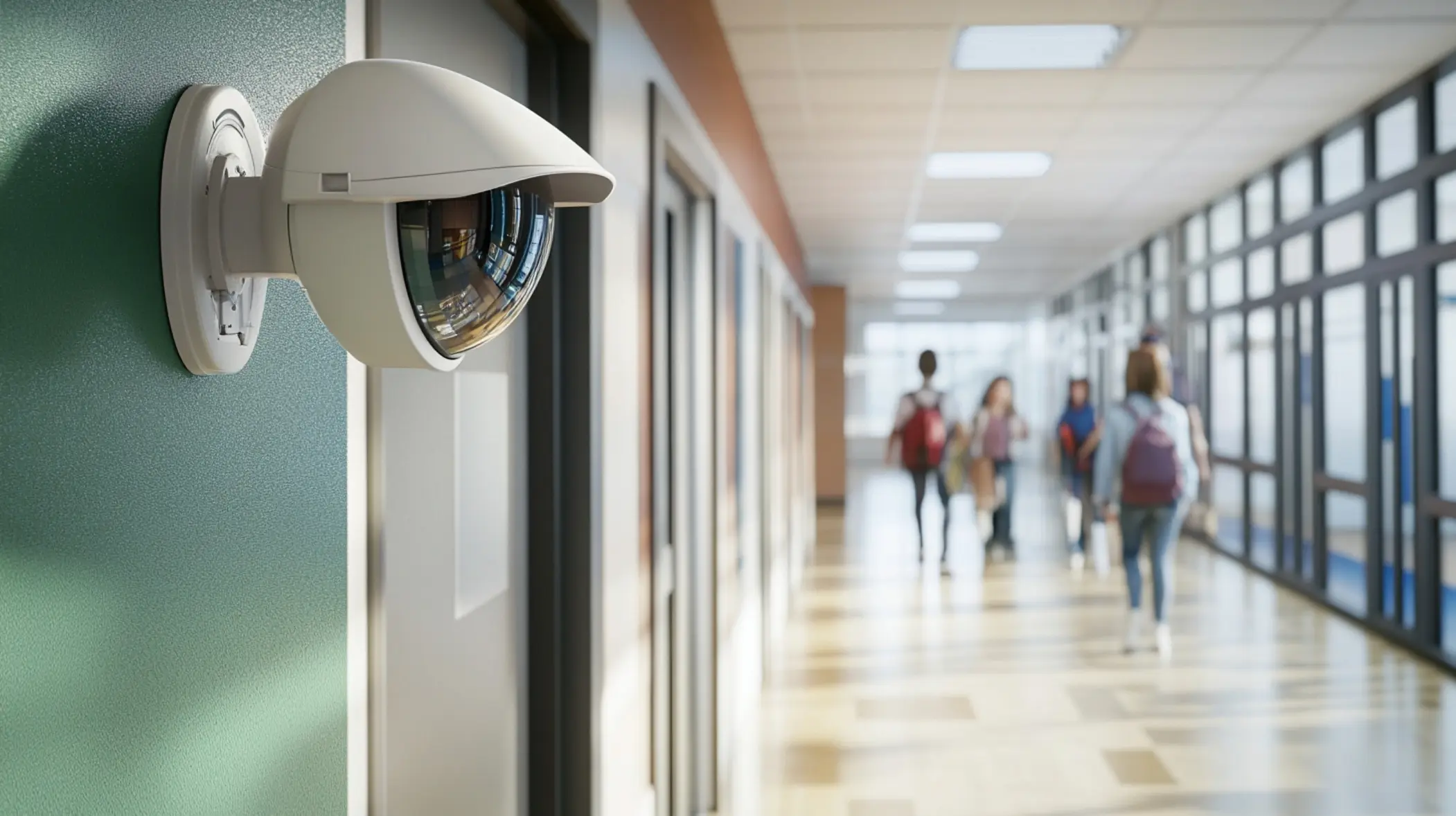
The School Campus as a High-Value Target
Recent South African Police Service (SAPS) crime statistics highlight the persistent nature of property-related and violent crimes across South Africa. In the third quarter of the 2025/2026 financial year, covering October to December 2025, the SAPS recorded thousands of property-related crimes, including non-residential burglaries and vehicle thefts. While national trends show some statistical decreases in specific categories, the reality on the ground remains tense. Suburbs across Gauteng and the Western Cape continue to experience high rates of armed robberies, carjackings, and business-style burglaries.
For schools, this threat is compounded by a worrying new trend: the rise of organised extortion syndicates and targeted attacks on school leadership. Reports from major publications like the Daily Maverick and BusinessTech in early 2026 have detailed how criminal syndicates are increasingly targeting school budgets and demanding protection fees. While these syndicates often exploit vulnerable institutions, the risk of extortion and security disruption is a growing concern for school governing bodies (SGBs) and trustees nationwide.
The financial and operational impact of these security breaches is substantial. In late 2025, armed robberies at schools in Limpopo resulted in the theft of valuable IT equipment and cash, leaving staff traumatised and learning disrupted. Schools that rely heavily on technology to deliver quality education face a massive operational blow when dozens of laptops or smartboards are stolen or destroyed. Trustees and SGBs are increasingly realising that they are paying for crime twice: first through expensive, reactive security measures, and then through insurance excesses, repairs, and lost operational time.
The Human Factor: Physical Guards vs Virtual Guarding
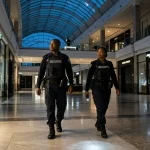
Historically, schools have relied on a traditional security model: a physical guard at the gate and a basic perimeter fence. While a visible human presence remains a valuable deterrent, relying solely on physical guards introduces significant vulnerabilities. A physical guard cannot watch the main gate, the sports fields, the parking bays, and the administrative block simultaneously. Long shifts, extreme weather, and repetitive routines can lead to fatigue, lapses in concentration, and blind spots that criminals are quick to exploit.
Furthermore, physical guards are vulnerable to direct confrontation and intimidation. During armed robberies at South African educational institutions, on-site security personnel are frequently targeted first, overpowered, and tied up by armed gangs. This is where the comparison between physical guarding and virtual guarding becomes critical.
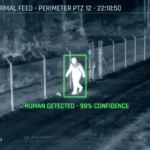
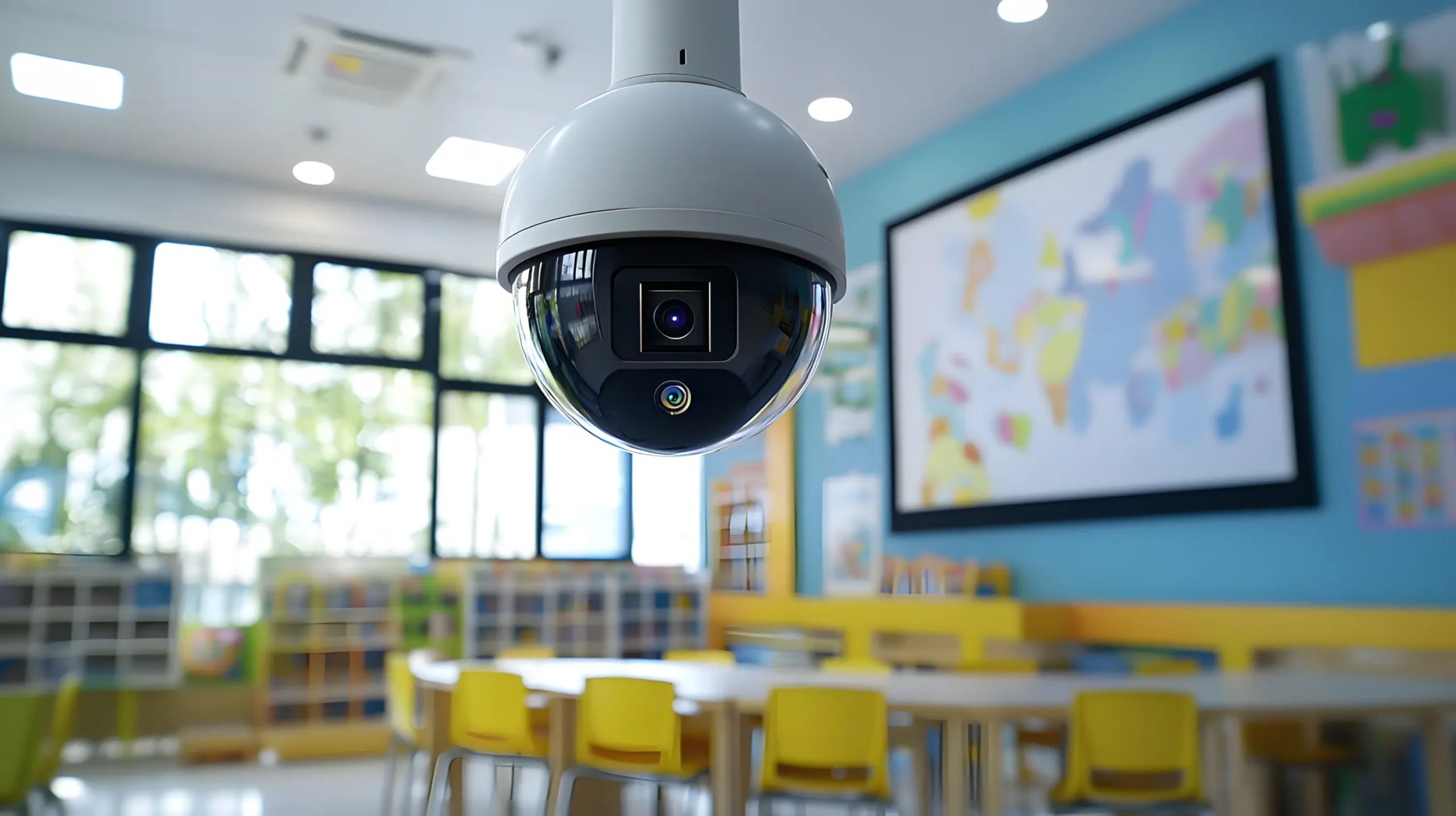
Virtual guarding, powered by off-site CCTV monitoring, represents a paradigm shift in campus security. Instead of relying on a guard to spot an intruder, virtual guarding utilises high-definition IP cameras equipped with smart analytics. These systems monitor the entire property simultaneously, establishing virtual tripwires and perimeter boundaries. The moment an unauthorised individual crosses a boundary or loiters near a high-risk area, an instant alert is sent to a remote, 24/7 monitoring centre.
In terms of coverage, a physical guard is limited to their immediate line of sight and patrol route, whereas off-site virtual guarding delivers simultaneous, 360-degree coverage of the entire campus. When it comes to vulnerability, a physical guard carries a high risk of fatigue, distraction, or physical assault, while virtual guarding is immune to physical threats and operates continuously without fatigue. On the question of response time, traditional guarding is inherently reactive, often only responding after an incident has already occurred, whereas virtual guarding is proactive, detecting suspicious behaviour before a breach takes place. The quality of evidence also differs significantly: physical guards rely on human memory, which can be unreliable under stress, while virtual guarding captures high-definition digital footage that provides clear, admissible evidence for law enforcement. Finally, from a cost-efficiency perspective, physical guarding carries high ongoing labour costs, particularly in the context of rising minimum wage structures, whereas virtual guarding represents a predictable, highly scalable technology investment with lower long-term costs.
The goal of virtual guarding is not to replace physical guards entirely, but to create a highly effective hybrid model. On-site guards can focus on access control, customer service, and immediate ground response, while virtual guarding provides the visual reach, early detection, and rapid escalation required to stop criminals before they breach the school’s inner perimeter.
Securing the Gates: Smart Access Control and POPIA Compliance
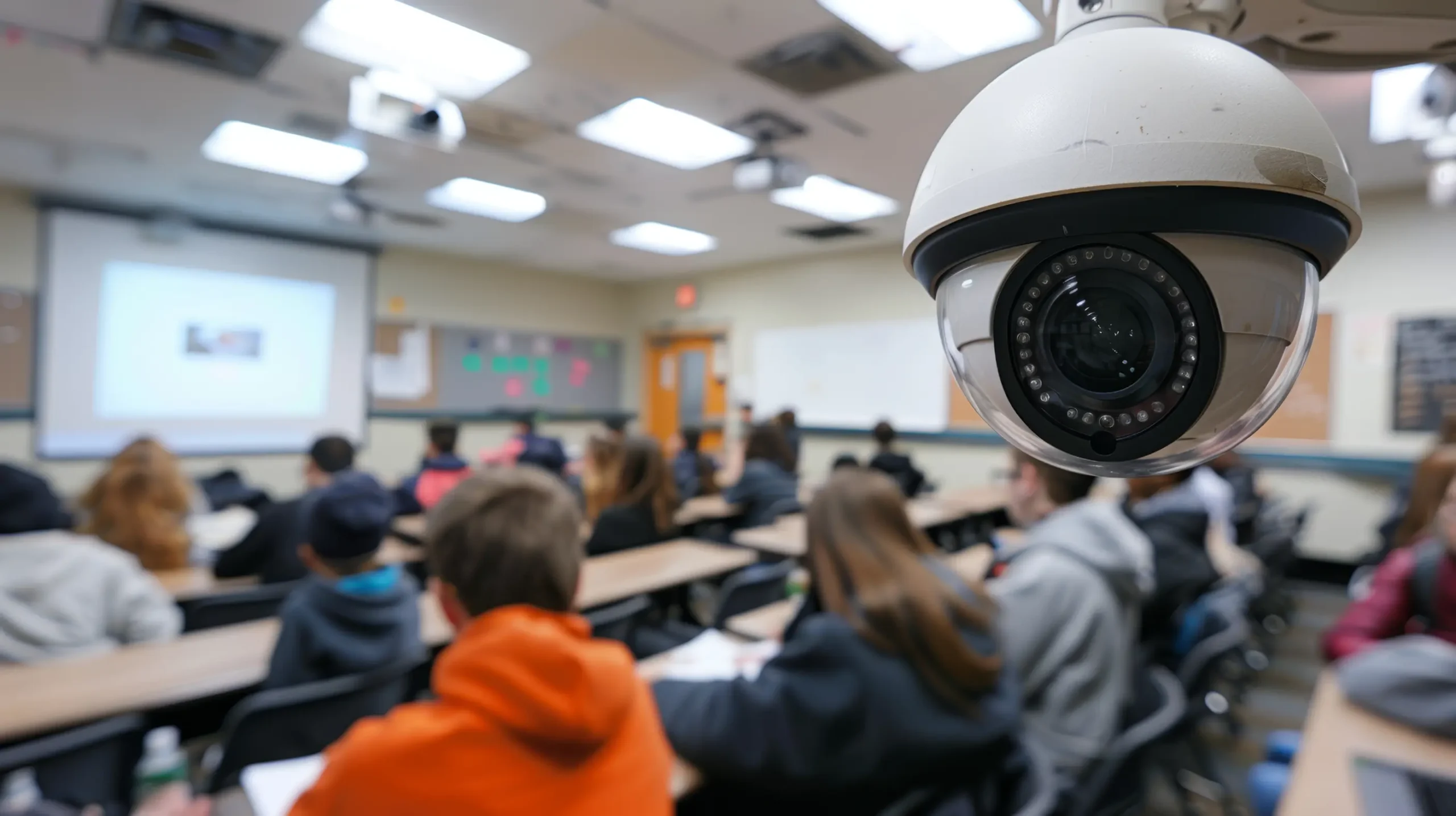
For schools, the gate is the primary point of vulnerability. During peak hours, hundreds of vehicles and pedestrians enter and exit the property in a highly compressed timeframe. This chaotic environment creates the perfect cover for unauthorised individuals to slip onto the campus unnoticed.
Managing this risk requires advanced access control technology, but in South Africa, this must be balanced with strict regulatory compliance. The Information Regulator of South Africa recently gazetted the Own-Initiative Code of Conduct on the Processing of Personal Information at Gated Accesses. This code of conduct, which applies directly to any gated property controlling entry, has major implications for school security.
Under the Protection of Personal Information Act (POPIA), schools can no longer routinely scan driver’s licences, capture full identity numbers, or collect biometric data without a clearly defined, proportionate purpose. Traditional practices, such as writing visitor details in an open paper logbook, are now illegal because they expose personal information to unauthorised eyes.
To address this, modern schools must implement secure, digital visitor management systems. These systems collect only the minimum necessary information, such as a name and vehicle registration, and store it on encrypted, access-controlled databases.
Furthermore, Automatic Number Plate Recognition (ANPR) technology offers an intelligent, non-intrusive way to manage vehicle access. By automatically scanning and verifying the number plates of staff, parents, and pre-registered visitors against a secure database, ANPR speeds up entry during peak hours while flag-marking unrecognized or suspicious vehicles for immediate security attention.
Building a Layered, Proactive School Security Ecosystem
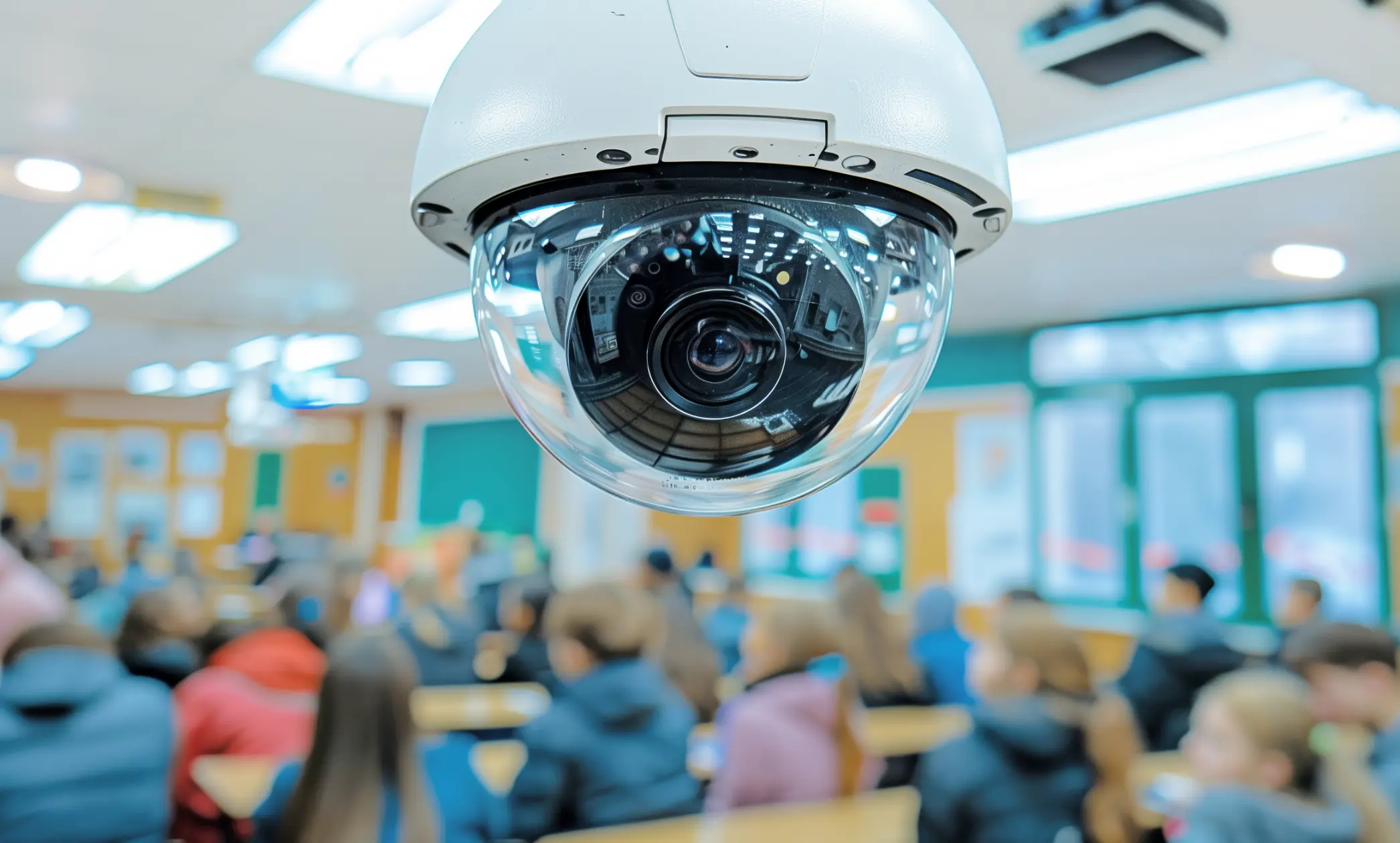
Effective school security cannot rely on a single piece of technology. It requires a layered, integrated strategy that addresses the specific rhythms of the school day. Based on the proven service models utilized by leading security providers like TTK Surveillance, a modern school security ecosystem should include several core components:
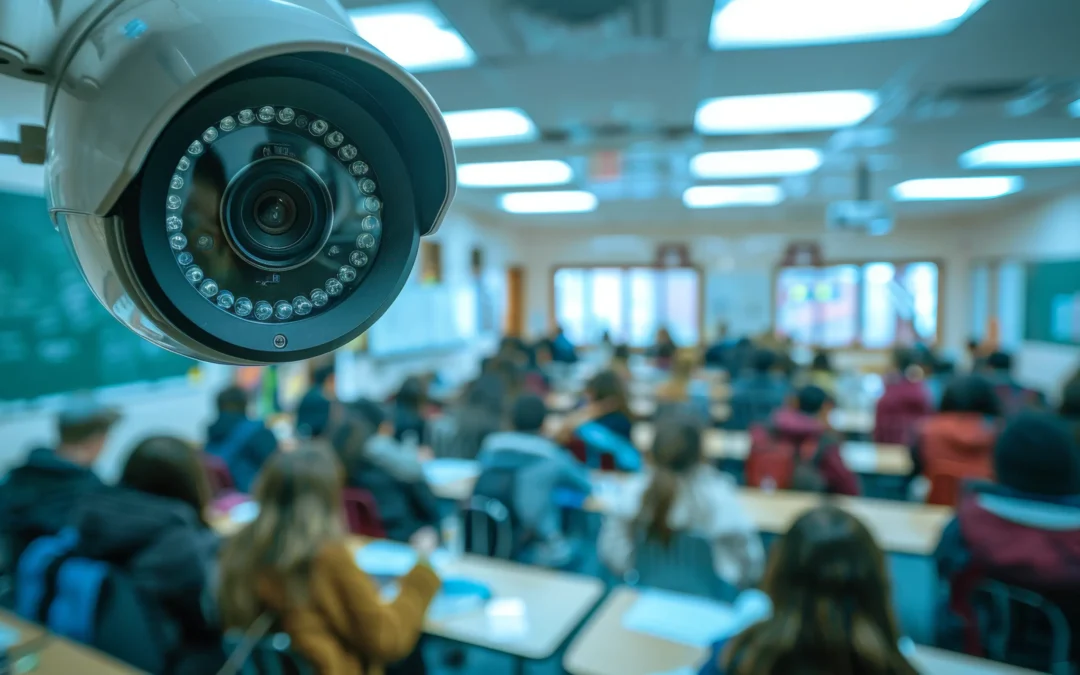
High-Definition CCTV Systems: Crystal-clear visual coverage of entrances, exits, administrative blocks, and parking areas to ensure positive identification and evidence collection.
- 24/7 Off-Site Monitoring: Continuous observation by trained professionals who can issue live audio warnings to intruders and instantly dispatch armed response or law enforcement.
- Biometric Access Control: Fingerprint or facial recognition systems for high-security areas, such as IT laboratories, server rooms, and administrative offices, ensuring strict credential control.
- Proactive Security Audits: Regular assessments of the school’s physical and digital vulnerabilities to identify blind spots, weak access points, and compliance gaps before criminals can exploit them.
Conclusion: From Audit to Action
In the high-stakes environment of South African education, a reactive approach to security is a luxury that Model C and private schools can no longer afford. The threats facing school campuses are sophisticated, organised, and constantly evolving.
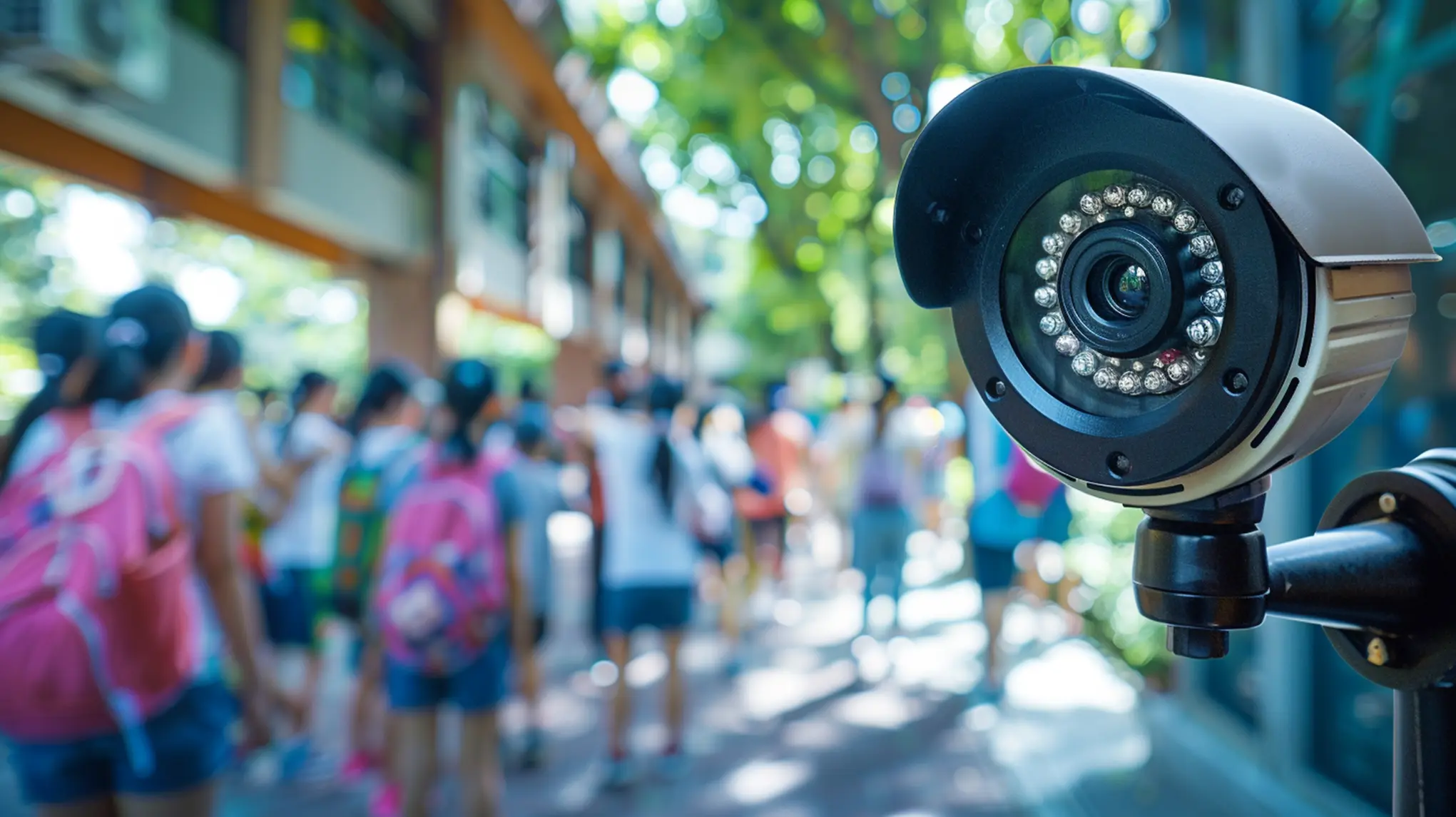
By partnering with a specialized security provider like TTK Surveillance and investing in advanced, integrated solutions, school administrators can transition from a state of constant worry to one of complete confidence. Securing a school is not just about protecting buildings and technology; it is about safeguarding the peace of mind that learners and educators need to thrive.
Contact TTK Surveillance today for a comprehensive, professional security audit, and take the first step towards building a safer, more resilient educational environment for your school community.